Are Electric Scooters Dangerous? Real Accident Statistics
Electric scooters get a bad rap, but are they actually dangerous? We dive into real accident statistics, compare risks to bikes and cars, and share practical safety tips to keep you protected.
جدول المحتويات
- Introduction: The Real Story Behind E-Scooter Safety
- Electric Scooter Accident Statistics: What the Numbers Say
- How E-Scooter Risks Compare to Bicycles
- Who Gets Injured and Why? Risk Factors Explained
- The Role of Scooter Design in Safety
- How to Reduce Your Risk: 7 Proven Safety Tips
- Choosing a Safe E-Scooter
- Conclusion: Are Electric Scooters Dangerous? The Verdict
- FAQ: Your Burning Questions Answered
- 1. Are electric scooters more dangerous than bikes?
- 2. What is the most common electric scooter injury?
- 3. How can I make my e-scooter ride safer?
- 4. Are electric scooters dangerous at night?
- 5. Do electric scooters cause more accidents than cars?
Introduction: The Real Story Behind E-Scooter Safety
Electric scooters have exploded in popularity, but with that growth comes a lot of scary headlines. "E-scooter accidents surge," "Hospital visits spike," and "Are electric scooters a public menace?" dominate the news cycle. But what do the actual numbers say? Are electric scooters truly dangerous, or is the risk blown out of proportion?
As of 2026, the data paints a more nuanced picture. Yes, there are risks, but they are manageable and often comparable to other forms of micromobility. In this article, we'll break down the latest accident statistics, injury rates, and risk factors. We'll also give you actionable tips to dramatically reduce your chances of getting hurt. By the end, you'll have a clear, data-driven answer to the question: are electric scooters dangerous?
Electric Scooter Accident Statistics: What the Numbers Say
Let's look at the raw data. A comprehensive study published in the Journal of the American Medical Association (JAMA) analyzed e-scooter injuries over several years. The findings:
- Injury rate: Approximately 20 injuries per 100,000 e-scooter trips.
- Head injuries: Account for about 45% of all e-scooter injuries, making helmets non-negotiable.
- Fractures: Upper extremity fractures (wrist, elbow, shoulder) represent 30% of injuries.
- Alcohol involvement: Nearly 25% of injured riders tested positive for alcohol.
To put this in perspective: the National Highway Traffic Safety Administration (NHTSA) reports about 1.2 deaths per 100 million passenger miles for passenger cars. For e-scooters, that number is around 3.5 deaths per 100 million miles – but that's still lower than motorcycles (23 deaths per 100 million miles).
How E-Scooter Risks Compare to Bicycles
Bicycles are a more direct comparison. A 2024 study in Injury Prevention found that e-scooter injury rates per mile are slightly higher than bicycles, but the severity is often lower. Why? E-scooters have smaller wheels and a higher center of gravity, making them more prone to losing balance on rough surfaces. However, e-scooters typically travel at lower speeds than bicycles on average, so the impact force is less.
Riding a bike on a busy city street is still a riskier endeavor, especially with cars around. The key takeaway: e-scooters aren't inherently more dangerous than bikes, but they require a different skill set.
Who Gets Injured and Why? Risk Factors Explained
Not all riders face the same risk. Here's what the statistics reveal about who gets hurt:
- First-time riders are 3x more likely to be injured than experienced riders.
- Night riders have a 50% higher risk of accidents due to poor visibility.
- Riders without helmets are 2.5x more likely to suffer a head injury.
- Sidewalk riders are more prone to collisions with pedestrians and obstacles.
Interestingly, most accidents are single-vehicle falls – meaning the rider hits a pothole, curb, or loses balance – not collisions with cars. This is good news because it means you can control most of the risk with your behavior.
The Role of Scooter Design in Safety
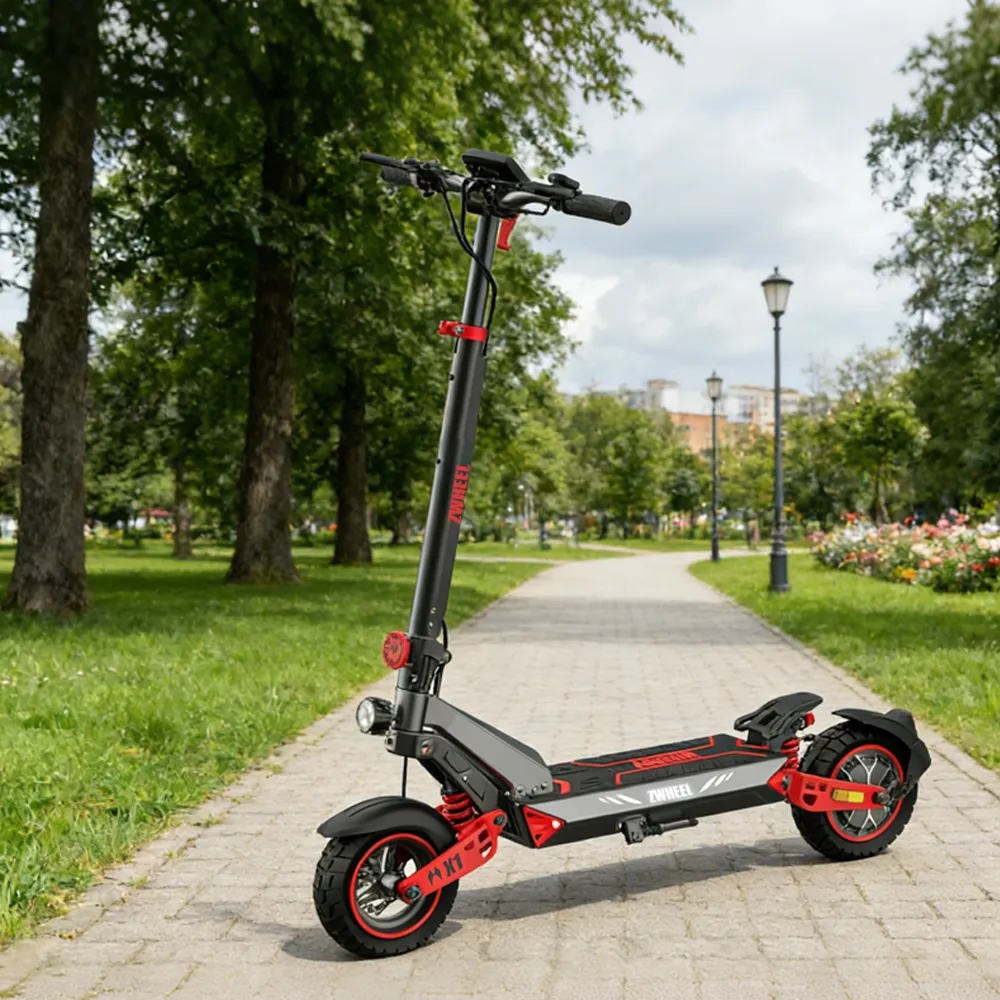
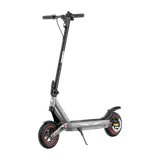
Your choice of scooter matters. Features like larger wheels, dual suspension, and powerful brakes can significantly reduce accident risk. For example, the Zwheel ZSB2 features 10-inch pneumatic tires and front and rear suspension, which absorb shocks from uneven pavement – a major cause of falls.
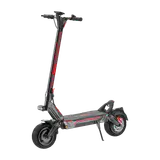
Similarly, the Zwheel ZSD1 offers dual hydraulic brakes, giving you the stopping power needed to avoid collisions. When you're shopping for a scooter, don't just look at speed – prioritize safety features.
How to Reduce Your Risk: 7 Proven Safety Tips
You can cut your risk of injury by up to 80% by following these evidence-based tips:
- Always wear a helmet. It's the single most effective way to prevent head injuries.
- Never ride under the influence. Alcohol and scooters are a deadly mix.
- Scan the road ahead. Look for potholes, cracks, and debris – most falls happen from these.
- Use hand signals. Let others know your intentions to avoid collisions.
- Ride on the road, not the sidewalk. Sidewalks have hidden driveways and pedestrians.
- Be visible. Wear bright clothing and use lights, especially at night.
- Know your scooter's limits. Practice in a safe area before hitting busy streets.
Choosing a Safe E-Scooter
If you're in the market, look for these safety features:
- Dual brakes (disc and electronic) for reliable stopping.
- Pneumatic tires for better traction and shock absorption.
- Suspension to handle bumps.
- Bright LED lights and reflectors.
- Stable deck with a non-slip surface.
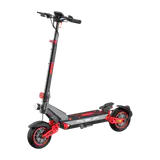
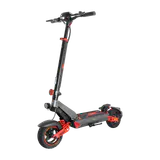
For commuting, the Zwheel D3S-S offers a balance of portability and safety with its 10-inch tires and dual brakes. For off-road adventures, the Zwheel ZSD2 provides superior stability with its 11-inch off-road tires and full suspension.
Conclusion: Are Electric Scooters Dangerous? The Verdict
So, are electric scooters dangerous? The answer is nuanced. They carry a real but manageable risk. With an injury rate of 20 per 100,000 trips, they are not the death traps some headlines suggest. Most injuries are minor falls that can be prevented with proper gear and cautious riding.
The biggest dangers are head injuries and alcohol use – both of which are entirely avoidable. By wearing a helmet, riding sober, and staying alert, you can enjoy the convenience of an e-scooter with confidence.
At Zwheel, we prioritize safety in every model we build. From dual brakes to advanced suspension, our scooters are designed to keep you stable and in control. So get out there, ride smart, and enjoy the journey.
FAQ: Your Burning Questions Answered
1. Are electric scooters more dangerous than bikes?
Studies show e-scooters have a slightly higher injury rate per mile than bicycles, but the injuries are often less severe due to lower average speeds. However, e-scooters are more prone to falls from uneven surfaces, so they require more attention to road conditions.
2. What is the most common electric scooter injury?
Upper extremity fractures (wrists, elbows, shoulders) are the most common, accounting for about 30% of all injuries. Head injuries are the most serious, making up 45% of cases – which is why helmets are crucial.
3. How can I make my e-scooter ride safer?
Wear a helmet, never ride under the influence, scan the road for hazards, and choose a scooter with good tires, suspension, and brakes. The Zwheel ZSB1 is a great option with its puncture-resistant tires and dual braking system.
4. Are electric scooters dangerous at night?
Night riding increases risk by about 50% due to poor visibility. If you must ride at night, ensure your scooter has bright lights, wear reflective gear, and stick to well-lit roads. Many modern scooters, like the Zwheel ZSE2, come with powerful headlights.
5. Do electric scooters cause more accidents than cars?
In absolute numbers, cars cause far more accidents and fatalities. Per mile traveled, e-scooters have a higher risk than cars, but that's because cars are heavily regulated and protected by airbags and crumple zones. The goal is to reduce your personal risk through safe practices.
بقلم
Zwheel Team
عضو في فريق تحرير Zwheel، يغطي اتجاهات التنقل الكهربائي وأدلة المنتجات ونصائح الركوب.