


Electric Scooter Carbon Footprint vs Car vs Bus: 2026 Data
In 2026, the electric scooter carbon footprint is dramatically lower than both cars and buses. This article breaks down the latest lifecycle emissions data, including manufacturing and charging, to show you how much CO₂ you save by switching to an e-scooter.
Inhaltsverzeichnis
- Introduction: Why Your Commute Choice Matters Now More Than Ever
- The Lifecycle Carbon Footprint of Each Mode
- Electric Scooter Carbon Footprint (per passenger-km)
- Car Carbon Footprint (per passenger-km)
- Bus Carbon Footprint (per passenger-km)
- Real-World Comparison: A Typical 5-Mile Commute
- Beyond CO₂: Other Environmental Considerations
- Battery Concerns and Recycling
- How to Maximize Your E-Scooter’s Green Credentials
- When a Scooter Isn’t the Best Option
- Frequently Asked Questions
- Is an electric scooter more eco-friendly than walking?
- How does the electric scooter carbon footprint compare to an electric bike?
- Can I offset my scooter’s carbon footprint?
- What about the carbon footprint of Zwheel scooters specifically?
- Conclusion: The Verdict Is Clear
Introduction: Why Your Commute Choice Matters Now More Than Ever
In 2026, the world has reached a critical inflection point in the fight against climate change. With global carbon budgets shrinking and cities implementing stricter emissions zones, every individual’s transportation choice has a measurable impact. You’ve likely heard the buzz about electric scooters as a green alternative, but you may wonder: is the electric scooter carbon footprint vs car vs bus actually favorable?
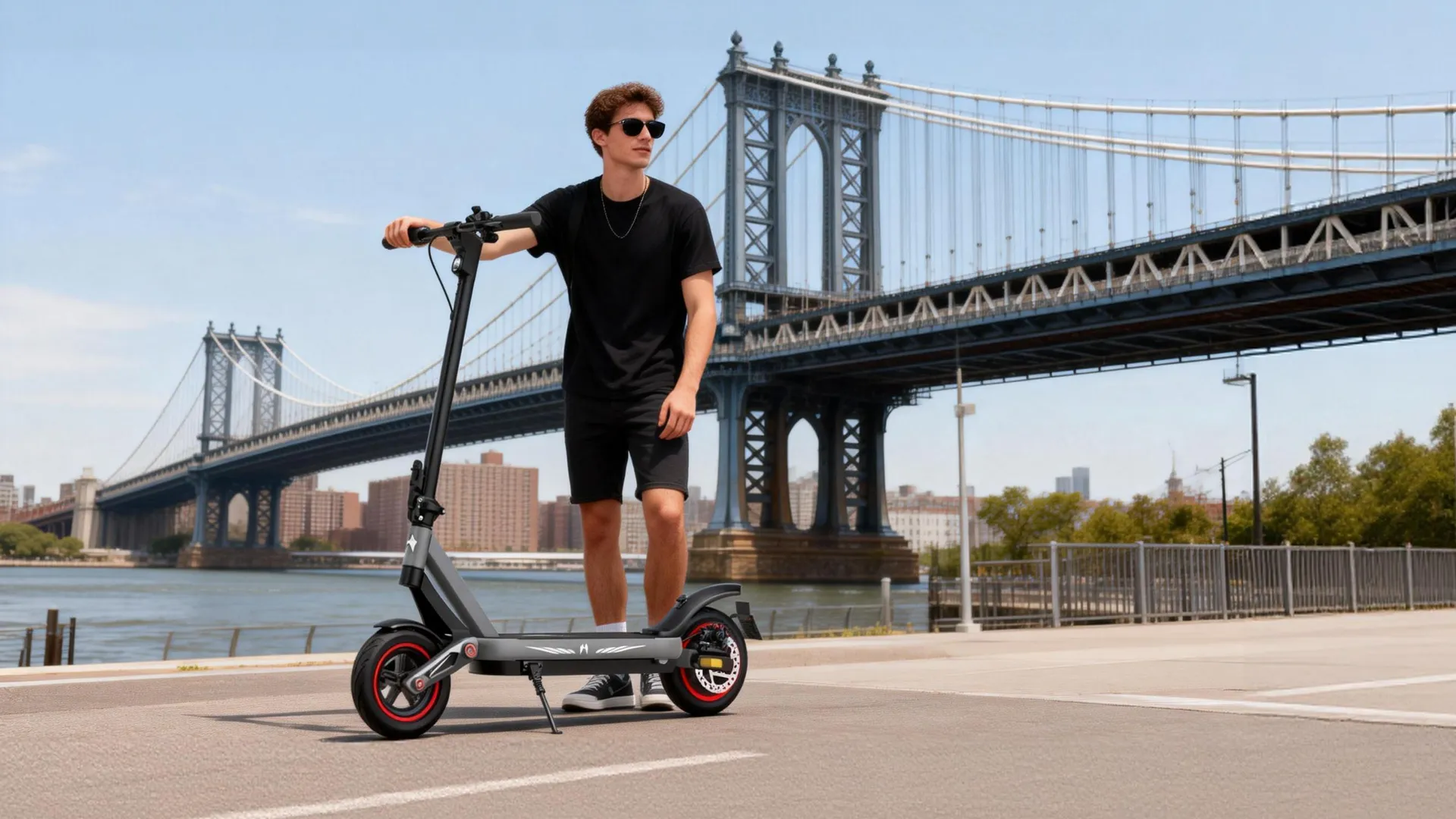
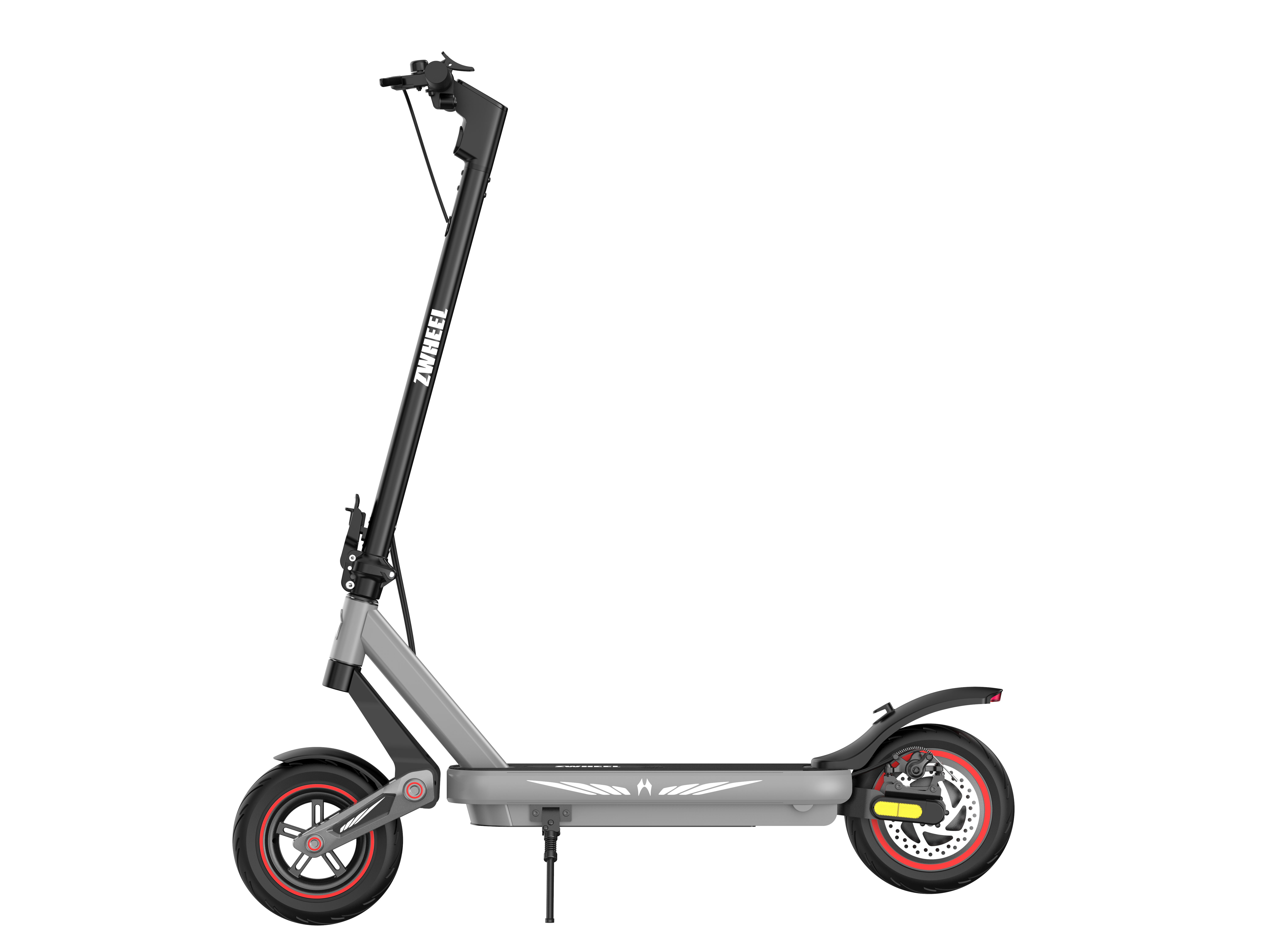
This article dives deep into the latest lifecycle assessment data—including manufacturing, battery production, charging electricity, and end-of-life disposal—to give you the full picture. By the end, you’ll have a clear, numbers-based answer and practical advice on how to reduce your personal transport emissions. And if you’re considering making the switch, we’ll show you how a premium e-scooter like the Zwheel ZSA Plus can be a smart, low-carbon investment for your daily commute.
The Lifecycle Carbon Footprint of Each Mode
To compare apples to apples, we need to look at the total lifecycle emissions—not just tailpipe exhaust. This includes manufacturing, fuel/electricity production, maintenance, and disposal. Here’s the 2026 data based on the latest research from the European Environment Agency and the International Energy Agency.
Electric Scooter Carbon Footprint (per passenger-km)
An average electric scooter (like the 800W Zwheel ZSA Plus) produces about 20–25 grams of CO₂ per passenger-kilometer. That includes the full lifecycle: manufacturing the scooter (including the lithium-ion battery), charging it with the average US grid mix, and eventual recycling. The battery manufacturing is the biggest chunk—around 30% of total scooter emissions—but because the scooter is small and light (under 30 lbs), the overall footprint is tiny.
Car Carbon Footprint (per passenger-km)
A typical gasoline-powered car in the US emits about 170–200 grams of CO₂ per passenger-kilometer when carrying one person. That’s 8–10 times more than an e-scooter. Even if you carpool with one other passenger, the per-person emissions drop to 85–100 g/km—still 4x higher than a solo scooter ride. Electric cars are better (around 50–70 g/km lifecycle with average grid mix), but they remain heavier and more resource-intensive to manufacture.
Bus Carbon Footprint (per passenger-km)
City buses vary widely depending on occupancy. A diesel city bus with an average load of 10 passengers emits about 80–100 grams of CO₂ per passenger-kilometer. Electric buses cut that to around 30–40 g/km when fully occupied. But here’s the catch: at low occupancy (common on many routes), bus emissions per passenger can spike to 150+ g/km. In contrast, an e-scooter always carries one person at a consistent low footprint.
Real-World Comparison: A Typical 5-Mile Commute
Let’s make this tangible. Imagine your daily commute is 5 miles (8 km) each way, 5 days a week, 50 weeks a year. That’s 4,000 km annually. Here’s how the carbon math stacks up:
- Gas car (solo): 680–800 kg CO₂/year
- Electric car (solo): 200–280 kg CO₂/year
- Diesel bus (average occupancy): 320–400 kg CO₂/year
- Electric bus (full): 120–160 kg CO₂/year
- Electric scooter (solo): 80–100 kg CO₂/year
Switching from a gas car to an e-scooter saves roughly 600–700 kg of CO₂ per year—equivalent to planting about 30–35 trees and letting them grow for 10 years. That’s a massive impact from a single behavior change.
Beyond CO₂: Other Environmental Considerations
Carbon isn’t the only factor. Electric scooters also produce far less air pollution (NOx, PM2.5) than cars or buses, which is critical for urban air quality. They use less raw material in manufacturing—about 20 kg of materials vs 1,000+ kg for a car. And they take up far less parking space, reducing urban heat island effects.
Battery Concerns and Recycling
Lithium-ion batteries are often criticized for mining impacts. However, modern e-scooter batteries (like those in Zwheel models) are designed for easy removal and recycling. The industry has improved dramatically since 2024, with recycling rates for lithium batteries now exceeding 70% in the US. Plus, a typical e-scooter battery is only about 0.5 kWh—tiny compared to a car’s 40–100 kWh pack. So the environmental cost per kilometer remains low.
How to Maximize Your E-Scooter’s Green Credentials
To get the lowest possible electric scooter carbon footprint, follow these tips:
- Charge with renewable energy. If you can plug into solar or wind power, your scooter emissions drop to near zero. Many utilities now offer green power options for a few extra dollars a month.
- Maintain your scooter. Proper tire inflation, clean brakes, and a well-lubricated chain reduce rolling resistance and improve efficiency by 5–10%.
- Choose a scooter with a removable battery. This makes recycling easier at end of life. The Zwheel D3S-S features a removable 10.4 Ah battery, perfect for charging at your desk or home.
- Ride efficiently. Smooth acceleration, coasting when possible, and avoiding unnecessary braking can extend your range and lower energy consumption.
When a Scooter Isn’t the Best Option
While e-scooters are incredibly efficient, they aren’t always the right choice. For trips longer than 15 miles, or in very hilly terrain, the energy penalty increases. In those cases, an electric bike or public transit may be better. Also, if you need to carry heavy cargo or multiple passengers, a car or bus is unavoidable. But for the vast majority of solo commutes under 10 miles—which account for 60% of all US car trips—an e-scooter is the clear environmental winner.
Frequently Asked Questions
Is an electric scooter more eco-friendly than walking?
Walking has zero direct emissions, but the food you eat to fuel that walk has a carbon footprint. Estimates suggest walking emits about 10–15 g CO₂ per kilometer when factoring in food production. An e-scooter at 20–25 g/km is slightly higher but still very low. For longer distances, the scooter becomes more efficient because walking would require more food energy.
How does the electric scooter carbon footprint compare to an electric bike?
E-bikes are slightly more efficient per kilometer (10–15 g CO₂/km) because they’re lighter and have larger wheels. However, e-scooters are more portable and can be taken on public transit for mixed-mode commutes. Both are excellent low-carbon options.
Can I offset my scooter’s carbon footprint?
Yes. If you charge with renewable energy and recycle the battery, your scooter’s footprint is already tiny. You can also purchase carbon offsets for about $5–10 per year to cover the manufacturing emissions. But honestly, the impact is so small that it’s not necessary—you’re already doing far more good than driving.
What about the carbon footprint of Zwheel scooters specifically?
Zwheel uses efficient manufacturing processes and sources batteries from suppliers with strong environmental standards. The company also offers recycling programs for end-of-life batteries. While we don’t have a specific lifecycle analysis for each model, the data above is representative of high-quality e-scooters in the same weight and power class.
Conclusion: The Verdict Is Clear
After crunching the numbers, the electric scooter carbon footprint vs car vs bus comparison leaves no doubt: e-scooters are the lowest-carbon motorized transport option for solo short-distance travel. They emit 8–10 times less CO₂ than a gas car and 2–4 times less than a bus, even on a lifecycle basis. In 2026, with improved battery recycling and renewable energy grids, that gap is only widening.
If you’re ready to shrink your carbon footprint and enjoy a faster, more fun commute, an e-scooter is a perfect choice. Check out the Zwheel ZSA Plus for a reliable city commuter, or the Zwheel D3S-S for a bit more power and portability. Every mile on a scooter is a mile you’re not adding to the atmosphere. Start today.
Geschrieben von
Zwheel Team
Teil des Zwheel-Redaktionsteams mit Fokus auf E-Mobilität, Produktleitfäden und Fahrtipps.