First Electric Scooter Buying Mistakes to Avoid
Buying your first electric scooter? Avoid these common mistakes. From wattage myths to battery realities, get expert tips to choose the right ride.
Inhaltsverzeichnis
- First Electric Scooter Buying Mistakes to Avoid
- Mistake #1: Ignoring Your Actual Riding Needs
- How to Match a Scooter to Your Lifestyle
- Mistake #2: Underestimating Battery and Range Realities
- What to Look for in a Battery
- Mistake #3: Overlooking Weight and Portability
- Mistake #4: Skimping on Safety Gear
- Essential Safety Gear for New Riders
- Mistake #5: Forgetting About Legal Restrictions
- Mistake #6: Choosing the Wrong Tire Type
- Mistake #7: Neglecting After-Sales Support and Warranty
- Mistake #8: Not Testing Before You Buy
- Mistake #9: Ignoring Maintenance Costs
- Mistake #10: Buying Based Solely on Price
- Frequently Asked Questions
- What is the best wattage for a beginner electric scooter?
- How long does an electric scooter battery last?
- Do I need a license to ride an electric scooter?
- Can I ride an electric scooter in the rain?
- What's more important: motor power or battery capacity?
- Final Thoughts: Start Smart, Ride Happy
First Electric Scooter Buying Mistakes to Avoid
So you're ready to join the electric scooter revolution. Smart move—with gas prices what they are in 2026 and cities becoming more congested, an e-scooter is one of the best investments for quick, fun, and eco-friendly commuting. But here's the thing: the market is flooded with options, and it's easy to get swept up in flashy specs or a low price tag. That's why we've put together this guide on the most common first electric scooter buying mistakes to avoid. Whether you're eyeing a budget commuter or a high-performance off-roader, these insights will save you money, time, and a whole lot of frustration.
Mistake #1: Ignoring Your Actual Riding Needs
The biggest mistake new buyers make is buying based on hype rather than reality. Ask yourself: Where will I ride most? How far? What's the terrain like? If you're commuting 3 miles on smooth city streets, a 6000W racing scooter is overkill—and it'll be heavy, expensive, and possibly illegal on your local paths. Conversely, if you live in a hilly area with dirt trails, a 250W budget scooter will leave you pushing uphill.
How to Match a Scooter to Your Lifestyle
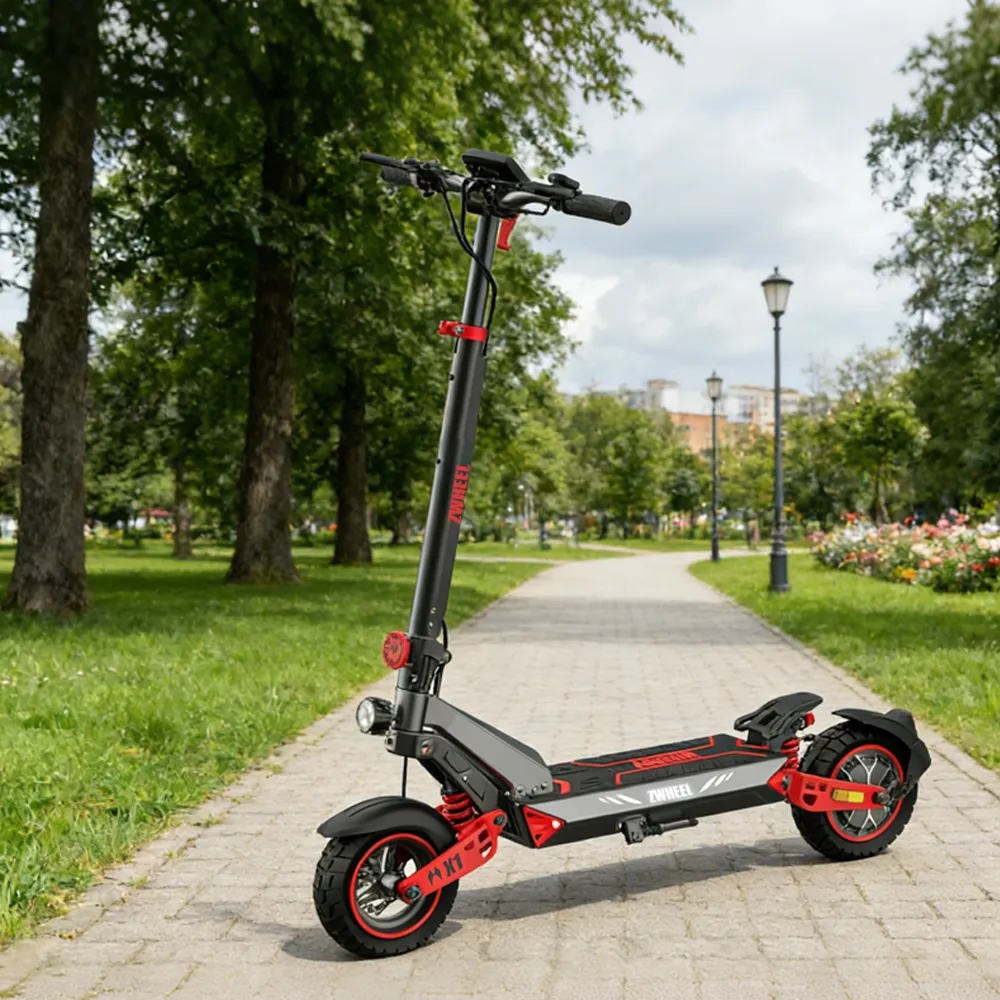
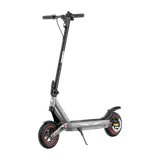
- City commuter: Prioritize portability, range of 15–25 miles, and a motor between 350W and 1000W. Models like the Zwheel ZSA Plus (800W, $499) are ideal—light enough to carry onto a train, powerful enough for bike lanes.
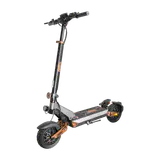
- Suburban mixed-use: You'll want a bit more power (1000–1500W) and suspension for potholes. The Zwheel D3S-S (1000W, $600) strikes a great balance.
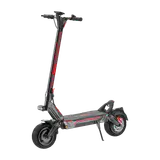
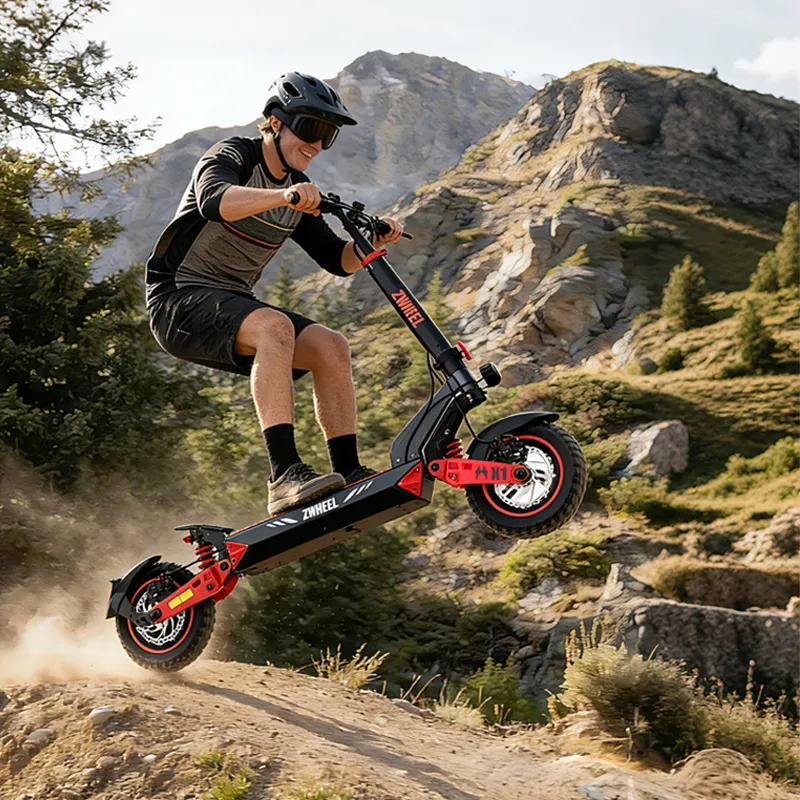
- Off-road adventurer: Look for 1200W+ motors, knobby tires, and robust suspension. The Zwheel ZSB2 (1500W, $650) is a solid entry into all-terrain riding.
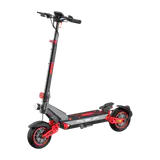
- Speed demon: If you crave adrenaline on private tracks, a 4000W+ model like the Zwheel ZSD2 (4000W, $900) delivers.
Don't fall for the "more power is always better" trap. More power means more weight, shorter range, and often higher maintenance. Be honest about your daily routine.
Mistake #2: Underestimating Battery and Range Realities
Manufacturers love to tout impressive range numbers, but those are usually measured under ideal conditions: a 150-lb rider, flat terrain, 15 mph, 77°F. Real-world range can be 30–50% lower. If a scooter claims 40 miles, expect 20–25 miles in mixed riding. This is one of the most expensive first electric scooter buying mistakes to avoid—because if you buy a scooter that can't get you to work and back, you'll be upgrading within months.
What to Look for in a Battery
- Voltage and Amp-hours: Range is roughly determined by watt-hours (Voltage × Amp-hours). A 48V 15Ah battery = 720Wh. As a rule of thumb, expect 1 mile per 20–30Wh for an average adult. So 720Wh ≈ 24–36 miles.
- Battery type: Lithium-ion is standard. Look for reputable cells (LG, Samsung, Panasonic) for safety and longevity.
- Charging time: 4–8 hours is typical. Fast charging is convenient but can degrade battery health if used daily.
- Removable battery: A huge plus for apartment dwellers who can't charge indoors.
Also consider winter: cold weather reduces lithium battery capacity by up to 30%. If you ride year-round, factor that in.
Mistake #3: Overlooking Weight and Portability
That 60-lb scooter with a 50-mile range looks great on paper—until you have to carry it up three flights of stairs or lift it onto a bus rack. If portability matters, aim for under 40 lbs. Folding mechanisms vary widely; some are one-step, others require tools. Check videos of the folding process before buying.
For city dwellers, the Zwheel ZSA Plus weighs just 35 lbs and folds in seconds—a prime example of a commuter-friendly design.
Mistake #4: Skimping on Safety Gear
It's tempting to blow your entire budget on the scooter itself, but safety gear is non-negotiable. In 2026, most states require helmets for riders under 18, and many cities mandate them for all ages. Beyond legalities, a fall at 20 mph can cause serious injury.
Essential Safety Gear for New Riders
- Helmet: A certified bike or skate helmet ($30–$100). Full-face helmets are better for high-speed riding.
- Gloves: Protect your palms in a fall.
- Knee and elbow pads: Especially important for off-road or beginner riders.
- Lights and reflectors: Many scooters include them, but add extra if you ride at night.
- Bell or horn: Pedestrians appreciate a heads-up.
Budget at least $100–$150 for gear. It's cheaper than a hospital visit.
Mistake #5: Forgetting About Legal Restrictions
Electric scooter laws vary wildly by country, state, and even city. Some places cap motor power at 250W or speed at 15 mph. Others require registration, insurance, or a driver's license. Before you buy, check your local regulations. Ignoring them can lead to fines or confiscation.
For example, in California, e-scooters are limited to 15 mph on bike paths, and riders must be 16+ with a helmet. In the UK, privately owned e-scooters are still banned on public roads (as of 2026), though rental trials continue. Always verify before purchasing a high-powered model.
Mistake #6: Choosing the Wrong Tire Type
Tires dramatically affect ride quality and safety. There are three main types:
- Solid tires: Never flat, but harsh ride and less grip. Best for smooth city streets.
- Pneumatic (air-filled): Comfortable and grippy, but can puncture. Great for mixed terrain.
- Tubeless pneumatic: Fewer flats, still comfortable. A good compromise.
If you ride on rough roads or trails, avoid solid tires unless the scooter has excellent suspension. Off-road models like the Zwheel ZSD1 (2000W, $800) come with knobby pneumatic tires for a reason.
Mistake #7: Neglecting After-Sales Support and Warranty
Electric scooters are mechanical and electronic devices—things break. A strong warranty (at least 6–12 months) and accessible customer support are crucial. Before buying, research the brand's reputation: Are replacement parts available? Is there a service center in your country? How responsive is their support team?
Cheap no-name brands often vanish after the sale, leaving you with an expensive paperweight. Stick with reputable companies that stand behind their products. Zwheel, for instance, offers a 12-month warranty on all models and has a dedicated support team.
Mistake #8: Not Testing Before You Buy
Whenever possible, test ride a scooter before committing. Visit a local dealer or attend a demo event. If that's not an option, watch detailed video reviews and read owner feedback on forums like Reddit's r/ElectricScooters. Pay attention to acceleration smoothness, braking feel, and stability at speed.
Mistake #9: Ignoring Maintenance Costs
The purchase price is just the beginning. Factor in:
- Tire replacements: $20–$50 each, every 1,000–2,000 miles.
- Brake pads: $10–$30 per set.
- Battery replacement: $200–$500 after 2–3 years.
- Charging costs: Pennies per charge, but worth noting.
Budget about 10% of the scooter's price annually for maintenance.
Mistake #10: Buying Based Solely on Price
It's the oldest mistake in the book: opting for the cheapest option. While you don't need to spend $2,000 on your first scooter, ultra-budget models ($150–$250) often cut corners on battery safety, braking, and build quality. A mid-range scooter ($400–$800) from a reputable brand will last longer, perform better, and keep you safer.
Consider the cost per mile over the scooter's lifespan. A $500 scooter that lasts 3 years and covers 3,000 miles costs about $0.17 per mile—far cheaper than Uber or gas.
Frequently Asked Questions
What is the best wattage for a beginner electric scooter?
For most beginners, 350W–800W is ideal. It provides enough power for commuting and moderate hills without being overwhelming or illegal in many areas. If you need more torque for steep hills or off-road, consider 1000W–1500W.
How long does an electric scooter battery last?
Most lithium-ion batteries last 2–4 years or 500–1,000 charge cycles. Proper care—avoiding full discharges and extreme temperatures—can extend lifespan.
Do I need a license to ride an electric scooter?
It depends on your location. Many places don't require a license for low-powered scooters (under 250W–500W), but higher-powered models may be classified as mopeds. Always check local laws.
Can I ride an electric scooter in the rain?
Most scooters have an IP rating (e.g., IPX4) indicating water resistance, but riding in heavy rain can damage electronics and reduce traction. If you must, dry it thoroughly afterward and avoid puddles.
What's more important: motor power or battery capacity?
Both matter, but for range, battery capacity (watt-hours) is key. For speed and hill-climbing, motor power is crucial. Balance them based on your needs.
Final Thoughts: Start Smart, Ride Happy
Buying your first electric scooter should be exciting, not stressful. By avoiding these common first electric scooter buying mistakes to avoid, you'll end up with a ride that fits your lifestyle, budget, and local laws. Remember: prioritize safety, do your research, and don't be afraid to spend a little more for quality. Whether you choose a nimble commuter like the Zwheel ZSA Plus or a rugged trail machine, the right scooter will transform your daily travel. Happy riding!
Geschrieben von
Zwheel Team
Teil des Zwheel-Redaktionsteams mit Fokus auf E-Mobilität, Produktleitfäden und Fahrtipps.