Disc Brake vs Drum Brake vs Electronic Brake on Scooters
Not sure which scooter brake system is best? We break down disc, drum, and electronic brakes—covering stopping power, maintenance, cost, and safety—so you can ride with confidence.
Sommaire
- Disc Brake vs Drum Brake vs Electronic Brake on Scooters: Which One Stops You Best?
- How Each Brake System Works
- Disc Brakes
- Drum Brakes
- Electronic Brakes (E-Brakes)
- Head-to-Head Comparison: Stopping Power, Maintenance, and Cost
- Stopping Power and Modulation
- Maintenance and Durability
- Cost
- Weather Performance
- Which Brake System Is Right for Your Riding Style?
- For City Commuters
- For Off-Road and All-Terrain Riders
- For Budget-Conscious Buyers
- Safety Tips for Any Brake System
- Frequently Asked Questions
- Are disc brakes better than drum brakes on electric scooters?
- Can I rely solely on an electronic brake on a scooter?
- How often should I replace scooter brake pads?
- Do electronic brakes work when the battery is full?
- Which brake system is best for wet weather?
- Final Thoughts
Disc Brake vs Drum Brake vs Electronic Brake on Scooters: Which One Stops You Best?
When you're shopping for an electric scooter, it's easy to get caught up in motor wattage and battery range. But the braking system is just as important—arguably more so, because it's your first line of defense in an emergency. The debate of disc brake vs drum brake vs electronic brake on scooters isn't just tech talk; it directly affects how safe you feel at 15 mph (or 40 mph). In this guide, we'll compare all three systems in plain English, with real numbers and practical advice, so you can make an informed choice.
How Each Brake System Works
Before we dive into pros and cons, let's clarify what each brake type actually does.
Disc Brakes
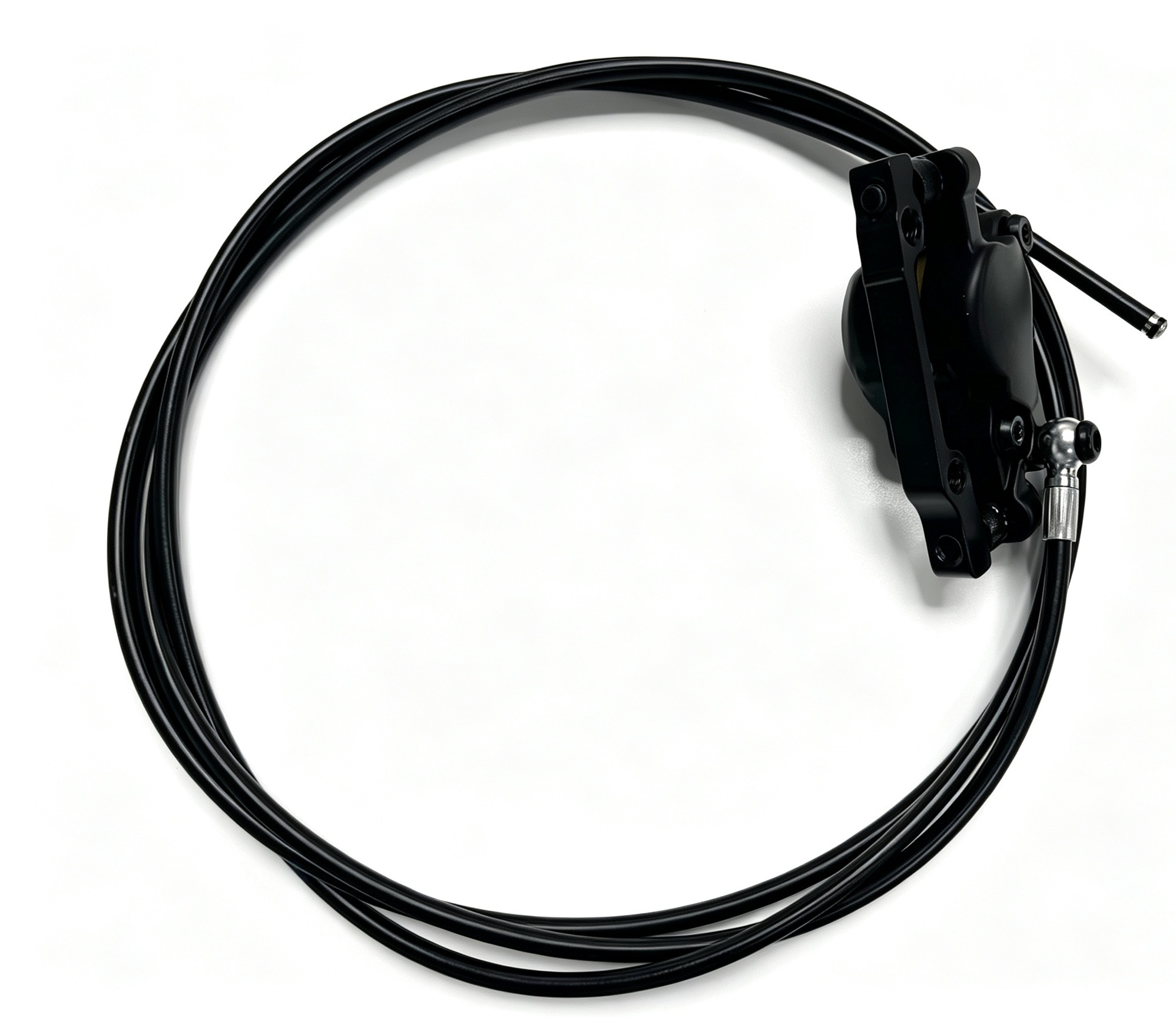
A disc brake uses a metal rotor (the disc) attached to the wheel and a caliper with brake pads that squeeze the rotor to create friction. It's the same technology found on most cars and motorcycles. Disc brakes are typically cable-actuated (mechanical) or hydraulic. Mechanical disc brakes are common on mid-range scooters, while hydraulic systems appear on premium models.
Drum Brakes
A drum brake houses brake shoes inside a drum that spins with the wheel. When you pull the lever, the shoes press outward against the inside of the drum. Drum brakes are enclosed, which makes them less susceptible to water and dirt, but they're generally heavier and less powerful than disc brakes.
Electronic Brakes (E-Brakes)
Electronic brakes, also called regenerative or electromagnetic brakes, use the motor itself to slow the scooter. When you engage the e-brake, the motor reverses polarity and acts as a generator, converting kinetic energy into electricity that's fed back into the battery. This is the essence of regenerative braking. Some scooters also have an electronic anti-lock braking system (E-ABS) that pulses the brake to prevent wheel lockup.
Head-to-Head Comparison: Stopping Power, Maintenance, and Cost
Now let's compare the three systems across the factors that matter most to riders.
Stopping Power and Modulation
Disc brakes win on pure stopping power. A well-tuned mechanical disc brake can bring a scooter to a stop from 15 mph in about 10–15 feet, depending on rider weight and surface. Hydraulic discs are even more powerful and require less lever effort. Modulation—the ability to feather brake pressure—is excellent with discs, giving you precise control.
Drum brakes are adequate for lower speeds and lighter riders. Stopping distances are typically 20–30% longer than disc brakes. Modulation is less precise because drum brakes can be grabby when new and fade when hot.
Electronic brakes alone are not sufficient for emergency stops. They provide smooth, progressive deceleration and are great for controlled slowing, but they can't lock the wheel. Most scooters pair e-brakes with a mechanical brake (disc or drum) for redundancy. When used together, e-brakes can reduce stopping distance by assisting the mechanical brake.
Maintenance and Durability
Disc brakes require periodic adjustment (cable tension) and pad replacement every 500–1,000 miles, depending on riding conditions. Pads are inexpensive ($10–$20) and easy to replace. Rotors can warp if abused but are generally durable. Hydraulic systems need occasional bleeding, which is more involved.
Drum brakes are low-maintenance because they're sealed from the elements. Brake shoes last longer (often 2,000+ miles) but when they do wear out, replacement is more complex and often requires disassembling the wheel. They can also accumulate dust, which may cause squealing.
Electronic brakes have no wearing parts—no pads, no shoes. They require zero maintenance beyond keeping the motor and controller healthy. However, they depend on the battery and electronics; if the battery is full, regenerative braking may be limited to prevent overcharging.
Cost
Disc brakes add roughly $50–$150 to a scooter's price compared to drum brakes. Electronic brakes are essentially free to include because they use existing motor and controller hardware, but they add complexity to the electronics. Entry-level scooters often use drum brakes to keep costs down, while mid-range and high-end models favor disc brakes.
Weather Performance
Disc brakes are open to the elements, so they can get wet and lose some bite until they dry off. However, they recover quickly. Drum brakes are sealed and perform consistently in rain and mud, but if water gets inside, it can take longer to dry. Electronic brakes are unaffected by weather, but they rely on the mechanical brake for wet-condition stopping power.
Which Brake System Is Right for Your Riding Style?
The best choice depends on how and where you ride.
For City Commuters
If you're navigating traffic and need reliable stopping power, disc brakes are the way to go. They offer superior modulation and shorter stopping distances. Look for scooters with at least a rear disc brake; front and rear discs are even better. The Zwheel ZSA Plus (800W, $499) features a mechanical disc brake and is a solid commuter choice. For a step up in power, the Zwheel D3S-S (1000W, $600) also uses disc brakes and is designed for city riding.
For Off-Road and All-Terrain Riders
Off-road riding demands strong, consistent braking. Disc brakes are preferred because they shed mud and debris better than drum brakes. However, electronic brakes can help with controlled descents on loose surfaces. The Zwheel ZSB2 (1500W, $650) is an all-terrain model with disc brakes and electronic braking assistance, making it a versatile option. For more extreme off-road use, the Zwheel ZSD2 (4000W, $900) combines powerful disc brakes with electronic braking for confident control on steep trails.
For Budget-Conscious Buyers
If you're on a tight budget and ride mostly flat, dry terrain at moderate speeds, a drum brake might suffice. But keep in mind that upgrading to disc brakes is often worth the extra cost for safety. Many entry-level scooters under $400 use drum brakes; if you can stretch to $500, you'll typically find disc brakes.
Safety Tips for Any Brake System
Regardless of which brakes your scooter has, follow these practices to stay safe:
- Inspect regularly: Check brake pads/shoes for wear every few weeks. Replace them before they're worn to 1mm thickness.
- Adjust cable tension: For mechanical disc brakes, ensure the lever feels firm—not spongy—and doesn't pull all the way to the grip.
- Practice emergency stops: Find an empty parking lot and practice stopping from various speeds to learn your scooter's braking behavior.
- Use both brakes: Apply both front and rear brakes simultaneously for maximum stopping power. Avoid locking the front wheel.
- Keep your battery charged: Electronic brakes (regenerative) may be less effective when the battery is nearly full, as the system limits regen to prevent overvoltage.
Frequently Asked Questions
Are disc brakes better than drum brakes on electric scooters?
Yes, disc brakes generally offer stronger stopping power, better modulation, and easier maintenance. However, drum brakes are more weather-sealed and require less frequent adjustment. For most riders, disc brakes are the better choice for safety and performance.
Can I rely solely on an electronic brake on a scooter?
No—electronic brakes alone are not sufficient for emergency stops. They are designed to assist mechanical brakes and provide smooth deceleration. Always ensure your scooter has a mechanical brake (disc or drum) as a primary stopping mechanism.
How often should I replace scooter brake pads?
Brake pads typically last 500–1,000 miles, depending on riding style and conditions. Inspect them monthly and replace when the friction material is worn to about 1mm. Drum brake shoes last longer, often 2,000+ miles, but should be checked annually.
Do electronic brakes work when the battery is full?
Regenerative braking is limited when the battery is nearly full to prevent overcharging. In that case, the mechanical brake does all the work. Once the battery drops below 90%, regenerative braking resumes normal operation.
Which brake system is best for wet weather?
Drum brakes are sealed and perform consistently in wet conditions, but disc brakes recover quickly after getting wet. Electronic brakes are unaffected by water but should always be paired with a mechanical brake. For wet climates, look for scooters with disc brakes and consider upgrading to hydraulic discs for the best wet-weather performance.
Final Thoughts
When it comes to disc brake vs drum brake vs electronic brake on scooters, there's no one-size-fits-all answer. Disc brakes offer the best stopping power and modulation, making them ideal for performance and safety. Drum brakes are low-maintenance and weather-resistant, suitable for budget riders. Electronic brakes are a fantastic supplement, providing smooth deceleration and energy recovery, but they should never replace a mechanical brake. Whichever system you choose, prioritize regular maintenance and practice safe braking habits. Ready to upgrade? Explore Zwheel's lineup of scooters with advanced braking systems and ride with confidence.
Ecrit par
Zwheel Team
Membre de l'equipe editoriale Zwheel, couvrant les tendances de mobilite, guides et conseils.