Dual Motor Electric Scooter: Worth It or Overkill?
Dual motor electric scooters offer more power and torque, but are they worth the extra cost? We break down when they make sense and when a single motor is enough.
Indice
- Dual Motor Electric Scooter: Worth It or Overkill?
- What Exactly Is a Dual Motor Electric Scooter?
- Single vs. Dual Motor: The Core Differences
- When a Dual Motor Electric Scooter Is Worth It
- 1. You Ride on Steep Hills Regularly
- 2. You Weigh More Than 180 lbs
- 3. You Venture Off-Road or on Unpaved Surfaces
- 4. You Want Maximum Acceleration and Top Speed
- 5. You Carry a Passenger or Heavy Cargo
- When a Dual Motor Electric Scooter Is Overkill
- 1. You're a Casual City Commuter
- 2. You Live in a Flat Area
- 3. You're on a Tight Budget
- 4. You Prioritize Lightweight Portability
- 5. You Want Maximum Range
- Real-World Performance: What the Numbers Say
- How to Decide: A Simple Framework
- Dual Motor Scooters in 2026: What's New?
- Frequently Asked Questions
- Is a dual motor electric scooter worth it for commuting?
- Can I use only one motor on a dual motor scooter to save battery?
- Do dual motor scooters have worse range than single motor?
- Are dual motor scooters harder to maintain?
- What size dual motor do I need for off-roading?
- Conclusion: Is a Dual Motor Electric Scooter Worth It or Overkill?
Dual Motor Electric Scooter: Worth It or Overkill?
If you've been shopping for an electric scooter in 2026, you've probably noticed a flood of models with two motors. They promise blistering acceleration, hill-climbing prowess, and all-terrain capability. But do you actually need that extra power, or is it just marketing hype? The answer depends entirely on how, where, and how often you ride. In this guide, we'll break down the real-world differences between single and dual motor setups, crunch the numbers on cost and performance, and help you decide whether a dual motor electric scooter is worth it for your specific needs.
What Exactly Is a Dual Motor Electric Scooter?
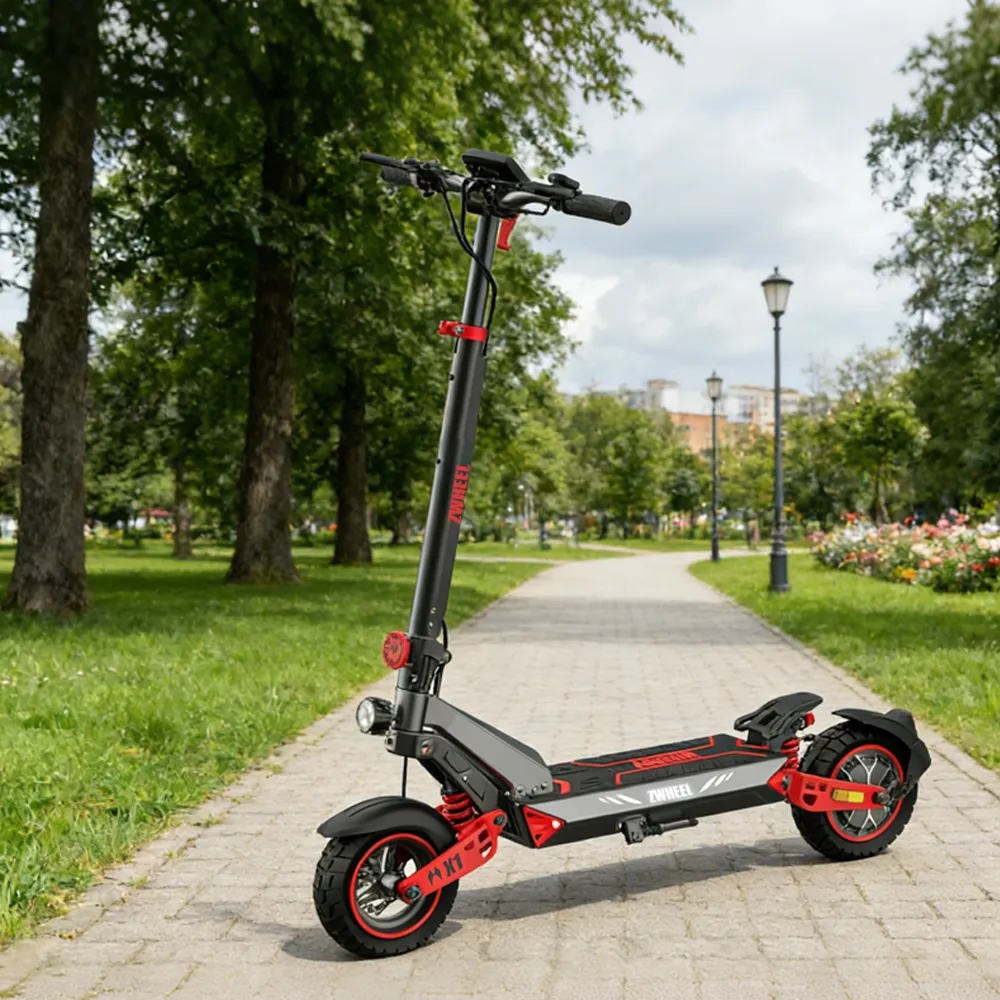
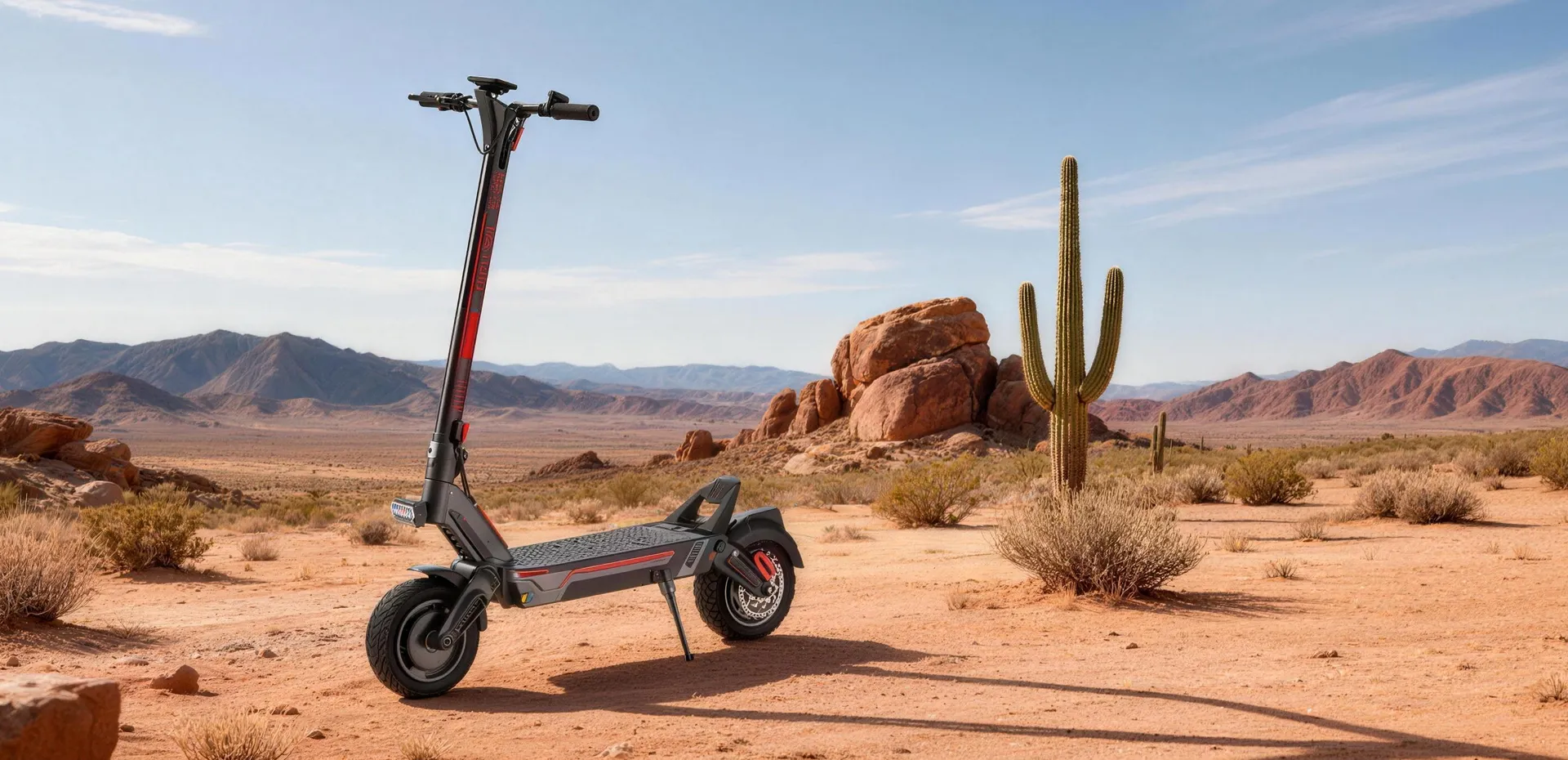
A dual motor electric scooter has two independent electric motors—typically one in each wheel (front and rear). This is different from a single motor scooter, which powers only one wheel (usually the rear). Both motors can work together to deliver power to both wheels simultaneously, effectively doubling the available torque and often increasing top speed and hill-climbing ability.
In 2026, dual motor setups are common on mid-range to high-performance scooters. They range from modest 800W dual systems to insane 6000W racing machines. The key benefit isn't just raw speed—it's how the power is delivered. With two motors, you get better traction, especially on loose surfaces, and the ability to climb steeper grades without bogging down.
Single vs. Dual Motor: The Core Differences
Let's compare the two architectures across critical categories:
- Power & Acceleration: Dual motors deliver roughly twice the torque, resulting in quicker off-the-line acceleration and stronger mid-range punch. A single 1000W motor might feel peppy, but a dual 1000W system (2000W total) will push you back in your stance.
- Hill Climbing: This is where dual motors shine. A single motor may struggle on grades above 15-20%, while dual motors can conquer 25-30% inclines with ease—even with a heavier rider.
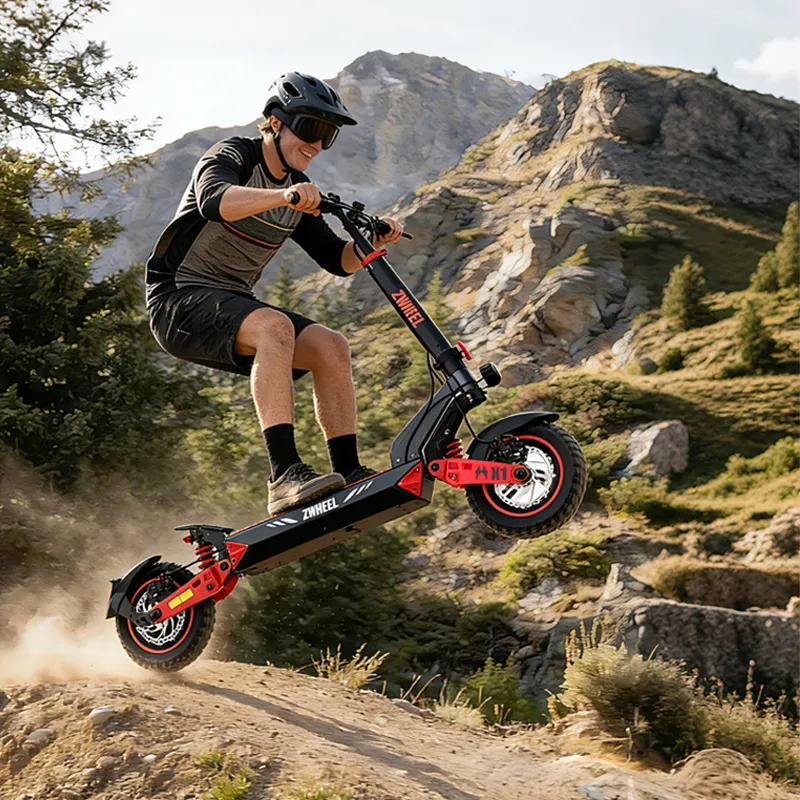
- Traction: Powering both wheels improves grip on wet roads, gravel, and dirt. That's why most off-road scooters are dual motor.
- Weight & Cost: Dual motor scooters are heavier (extra motor, controller, wiring) and more expensive—often $200-$500 more than a comparable single motor model.
- Range: Surprisingly, dual motors don't always mean less range. If you use both motors sparingly (e.g., only for hills), efficiency can be similar. But aggressive riding will drain the battery faster.
When a Dual Motor Electric Scooter Is Worth It
Dual motor scooters are not overkill for everyone. In fact, for certain riders and terrains, they're the only sensible choice. Here's when the extra investment pays off:
1. You Ride on Steep Hills Regularly
If your daily commute includes grades over 15%, a single motor will either slow to a crawl or overheat. Dual motors maintain speed and handle sustained climbs without stress. For example, the Zwheel ZSB2 (1500W dual motor) can climb 30% grades while carrying a 200 lb rider—something a single 800W scooter simply can't do.
2. You Weigh More Than 180 lbs
Heavier riders put more demand on a single motor, especially when accelerating or climbing. Dual motors distribute the load, reducing strain and improving performance. If you're over 180 lbs, a dual motor scooter will feel more confident and capable.
3. You Venture Off-Road or on Unpaved Surfaces
Dual motors provide all-wheel drive, which is invaluable on gravel, dirt, grass, or sand. The front motor pulls while the rear pushes, giving you better control and reducing wheel spin. Off-road enthusiasts should consider models like the Zwheel ZSD1 (2000W dual motor) or the extreme Zwheel ZSE2 (6000W dual motor) for racing and technical trails.
4. You Want Maximum Acceleration and Top Speed
If you crave adrenaline and want to keep up with traffic, dual motors deliver. Many dual motor scooters hit 40+ mph, while single motor models often cap around 25-30 mph. Just check local laws—many areas restrict scooters to 20-25 mph on public roads.
5. You Carry a Passenger or Heavy Cargo
Adding a passenger or hauling groceries increases weight. Dual motors handle the extra load without bogging down, making them safer and more enjoyable for two-up riding (where legal).
When a Dual Motor Electric Scooter Is Overkill
For many riders, a single motor is perfectly adequate—and saves money, weight, and complexity. Here's when you can skip the dual motor hype:
1. You're a Casual City Commuter
If your rides are mostly flat, under 10 miles, and you stick to bike lanes, a single motor scooter like the Zwheel ZSA Plus (800W, $499) is lighter, cheaper, and easier to carry. It'll get you to work and back with zero fuss.
2. You Live in a Flat Area
No hills, no problem. A single motor provides plenty of torque for flat terrain. You won't miss the second motor.
3. You're on a Tight Budget
Dual motor scooters cost more upfront and may require more maintenance (two motors, two controllers). If you're price-sensitive, a single motor delivers 80% of the experience for 60% of the price.
4. You Prioritize Lightweight Portability
Dual motor scooters are heavier—often 50-80 lbs. If you need to carry your scooter up stairs or onto public transit, a lighter single motor model is far more practical.
5. You Want Maximum Range
All else equal, a single motor scooter can achieve slightly better range because it's lighter and uses less energy. If you're chasing every mile, a single motor with a big battery might be the better choice.
Real-World Performance: What the Numbers Say
Let's look at some concrete data. In 2026, independent tests show:
- 0-15 mph acceleration: Dual motor scooters are typically 30-50% faster than single motor equivalents.
- Hill climbing: Dual motors can handle 25-30% grades; single motors max out around 15-20%.
- Range: On flat ground, dual motor scooters often match single motor range if ridden conservatively. Aggressive riding reduces range by 20-30%.
- Weight: Dual motor scooters average 10-20 lbs heavier than single motor versions.
- Price: Expect to pay $200-$500 more for dual motors in similar spec classes.
These numbers highlight that dual motors aren't just about speed—they're about capability. But that capability comes at a cost.
How to Decide: A Simple Framework
Ask yourself these four questions:
- Do I regularly encounter hills over 15%? If yes, dual motor.
- Do I weigh over 180 lbs or carry cargo/passengers? If yes, dual motor.
- Do I ride off-road or on loose surfaces? If yes, dual motor.
- Is my budget under $600 and my terrain flat? If yes, single motor is likely enough.
If you answered "no" to the first three and "yes" to the last, you can confidently save your money and get a single motor scooter. If you answered "yes" to any of the first three, a dual motor scooter is worth the investment.
Dual Motor Scooters in 2026: What's New?
The dual motor market has evolved significantly. In 2026, we're seeing:
- Smarter controllers: Many dual motor scooters now feature torque vectoring, which adjusts power delivery to each wheel for optimal traction.
- Regenerative braking: Dual motors can capture more energy during braking, extending range slightly.
- Lighter materials: Carbon fiber and advanced alloys are shaving pounds off dual motor models.
- App integration: Riders can now switch between single and dual motor modes on the fly, saving battery when full power isn't needed.
These innovations make dual motor scooters more efficient and user-friendly than ever, but they still cost more.
Frequently Asked Questions
Is a dual motor electric scooter worth it for commuting?
It depends on your commute. If you face steep hills, carry heavy loads, or ride on unpaved paths, a dual motor scooter is worth it for the extra power and traction. For flat, short commutes, a single motor is sufficient and more economical.
Can I use only one motor on a dual motor scooter to save battery?
Many dual motor scooters allow you to switch to single motor mode via a button or app. This can extend range when full power isn't needed. However, running one motor may feel underpowered if you're used to dual mode.
Do dual motor scooters have worse range than single motor?
Not necessarily. If you ride conservatively, range can be similar. But aggressive acceleration and higher speeds will drain the battery faster. Dual motor scooters are often heavier, which can slightly reduce efficiency.
Are dual motor scooters harder to maintain?
They have more components (two motors, two controllers), so maintenance is slightly more complex. However, electric motors are generally reliable and require minimal upkeep. Just keep them clean and dry.
What size dual motor do I need for off-roading?
For light off-roading (gravel, dirt paths), a 1200W-1500W dual motor system works well. For serious mountain trails, look for 2000W or more. The Zwheel ZSD2 (4000W dual motor) is built for aggressive off-road use.
Conclusion: Is a Dual Motor Electric Scooter Worth It or Overkill?
The answer isn't one-size-fits-all. A dual motor electric scooter is worth it if you need the extra power, traction, and hill-climbing ability for your terrain or riding style. It's overkill if you're a casual commuter on flat ground with a limited budget. In 2026, the choice is easier than ever thanks to smarter controllers and more options. Assess your needs honestly, test ride if possible, and choose the setup that matches your reality—not the hype. Whether you go single or dual, the best scooter is the one that gets you riding with a smile.
Scritto da
Zwheel Team
Parte del team editoriale Zwheel, con focus su mobilita elettrica, guide prodotti e consigli.