Electric Scooter Total Cost of Ownership First Year: A Full Breakdown
Thinking about buying an electric scooter? We break down every cost you'll face in the first year—purchase, insurance, maintenance, charging, and accessories. Plus, real-world examples from Zwheel models.
Indice
- Understanding the Real Cost of Owning an Electric Scooter in Year One
- 1. Purchase Price: The Biggest Upfront Cost
- Budget-Friendly Options ($400–$600)
- Mid-Range Performance ($599–$800)
- High-End Options ($800+)
- 2. Insurance: Do You Really Need It?
- 3. Charging Costs: Pennies Per Mile
- 4. Maintenance and Repairs: Budget for the Unexpected
- Tires
- Brakes
- Battery Health
- General Tune-Ups
- 5. Accessories and Gear: Don't Forget These
- 6. Hidden Costs: Registration, Parking, and Repairs
- Putting It All Together: First-Year Cost Examples
- Budget Commuter: Zwheel ZSA Plus ($499)
- Performance Off-Road: Zwheel ZSD2 ($900)
- How to Keep Your First-Year Costs Low
- Frequently Asked Questions
- Is electric scooter insurance required?
- How much does it cost to charge an electric scooter per year?
- Do electric scooters need a lot of maintenance?
- What is the resale value of an electric scooter after one year?
- Can I save money by buying a used electric scooter?
- Conclusion
Understanding the Real Cost of Owning an Electric Scooter in Year One
When you're shopping for an electric scooter, the price tag is just the beginning. The electric scooter total cost of ownership first year includes the scooter itself, plus insurance, maintenance, charging, accessories, and potential hidden fees like registration or parking. In this guide, we'll walk through every expense category so you can budget accurately—and we'll use real Zwheel models as examples to show you how the numbers stack up.
Whether you're a daily commuter or a weekend adventurer, knowing the full cost helps you choose the right scooter and avoid surprises. Let's dive in.
1. Purchase Price: The Biggest Upfront Cost
The purchase price is the most obvious expense, but it varies widely based on performance, range, and build quality. For a reliable first-year experience, you'll want a scooter that balances affordability with durability.
Budget-Friendly Options ($400–$600)
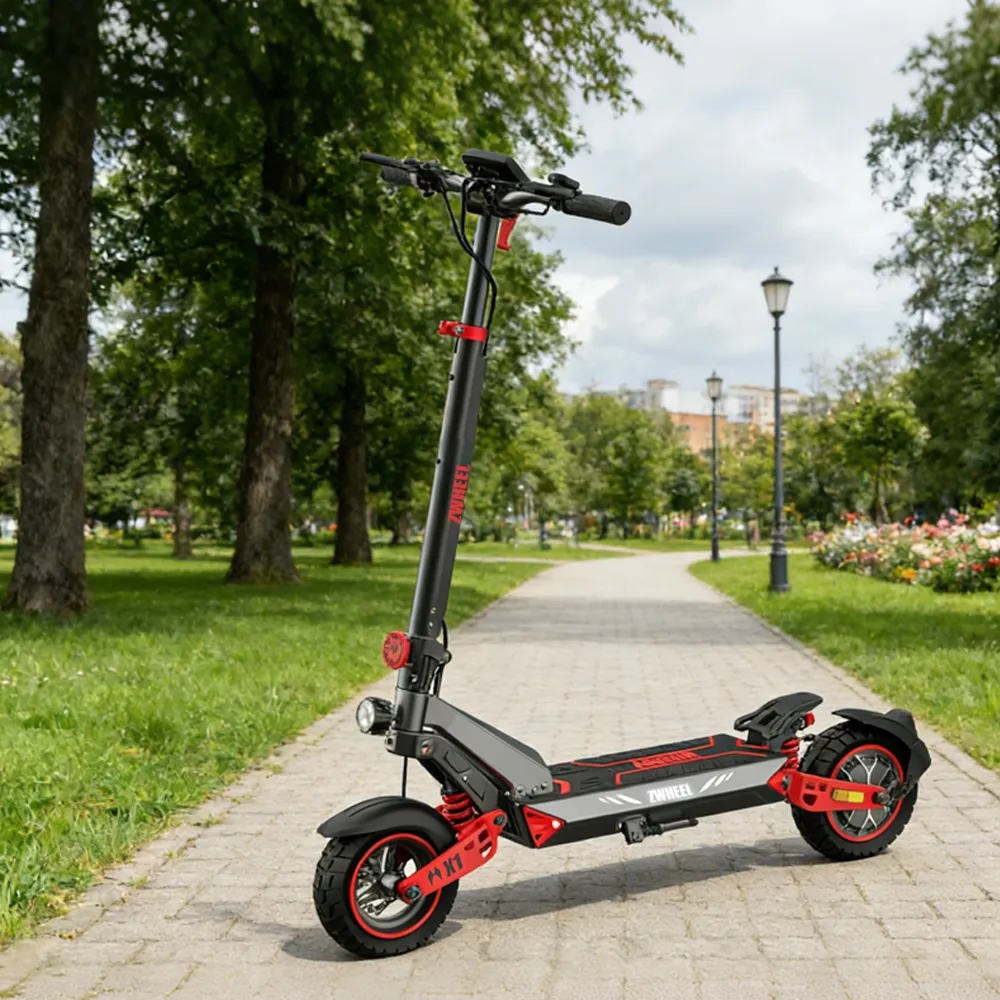
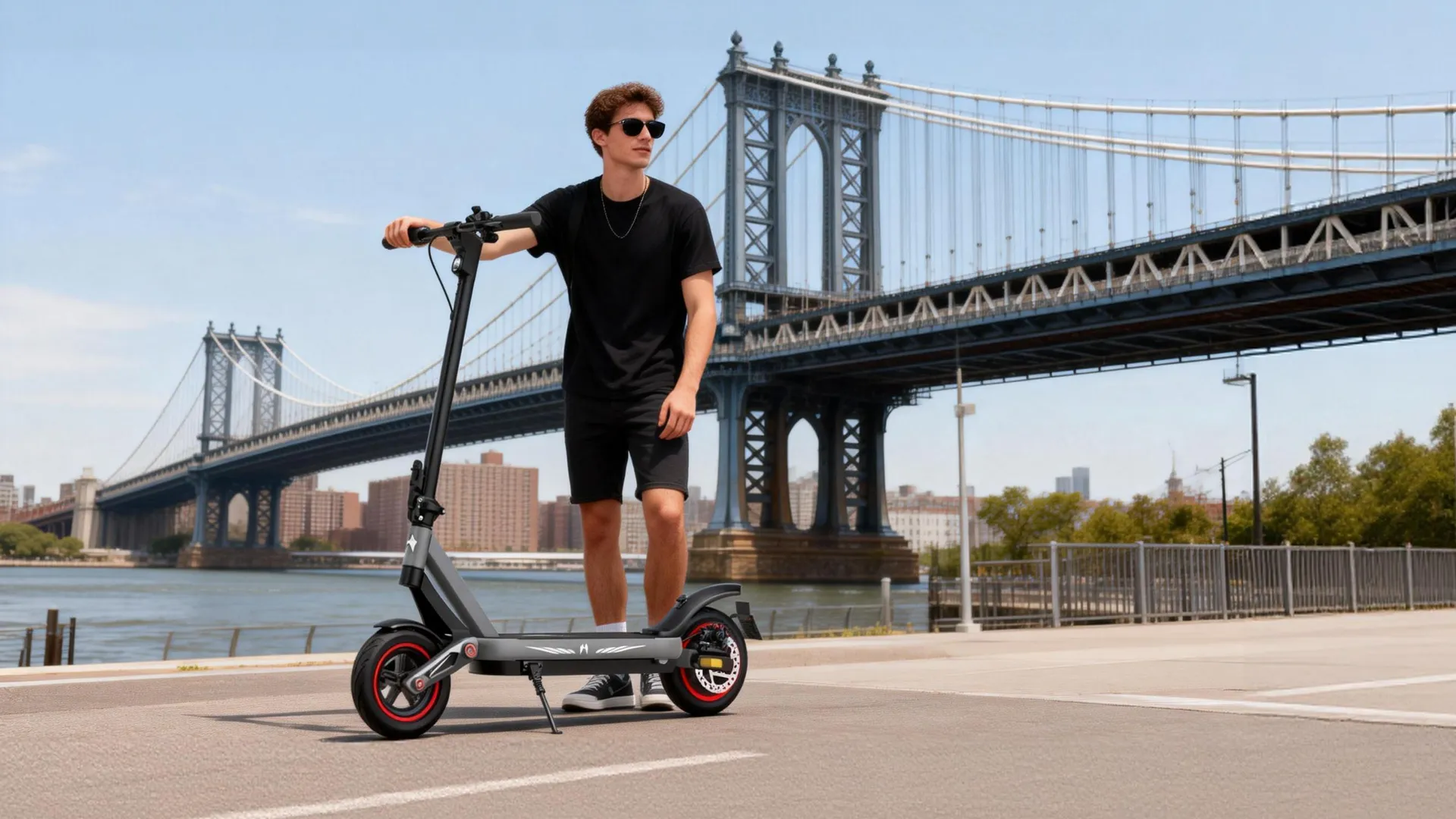
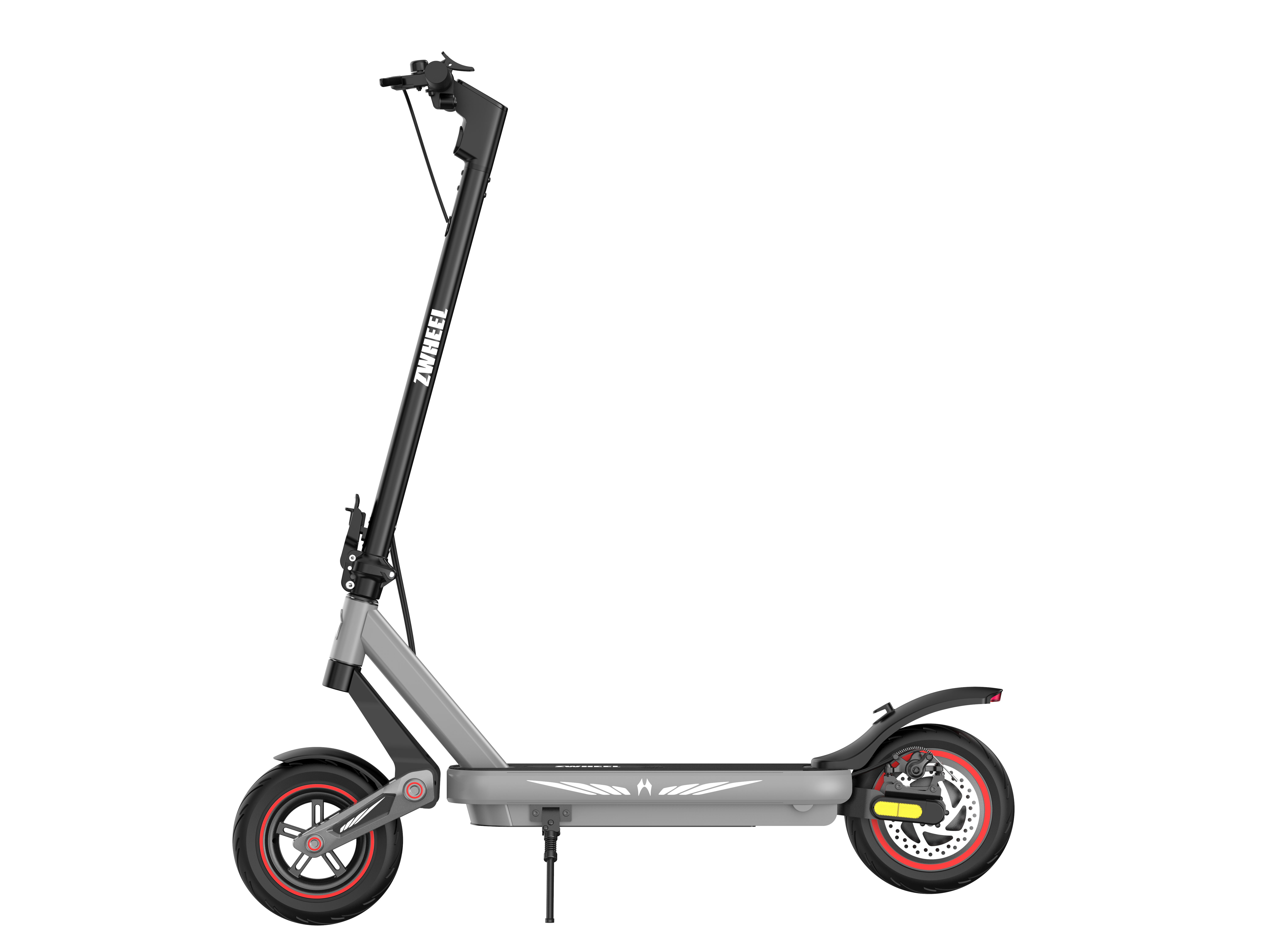
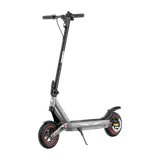
If you're looking for a solid commuter without breaking the bank, models like the Zwheel ZSA Plus ($499) or the Zwheel D3S-S ($600) are excellent choices. They offer enough range for most city trips and require minimal maintenance.
Mid-Range Performance ($599–$800)
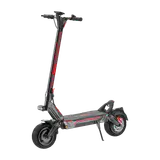
For a bit more power and off-road capability, consider the Zwheel ZSB1 ($599) or the Zwheel D3D-S ($675). These models handle mixed terrain and longer commutes.
High-End Options ($800+)
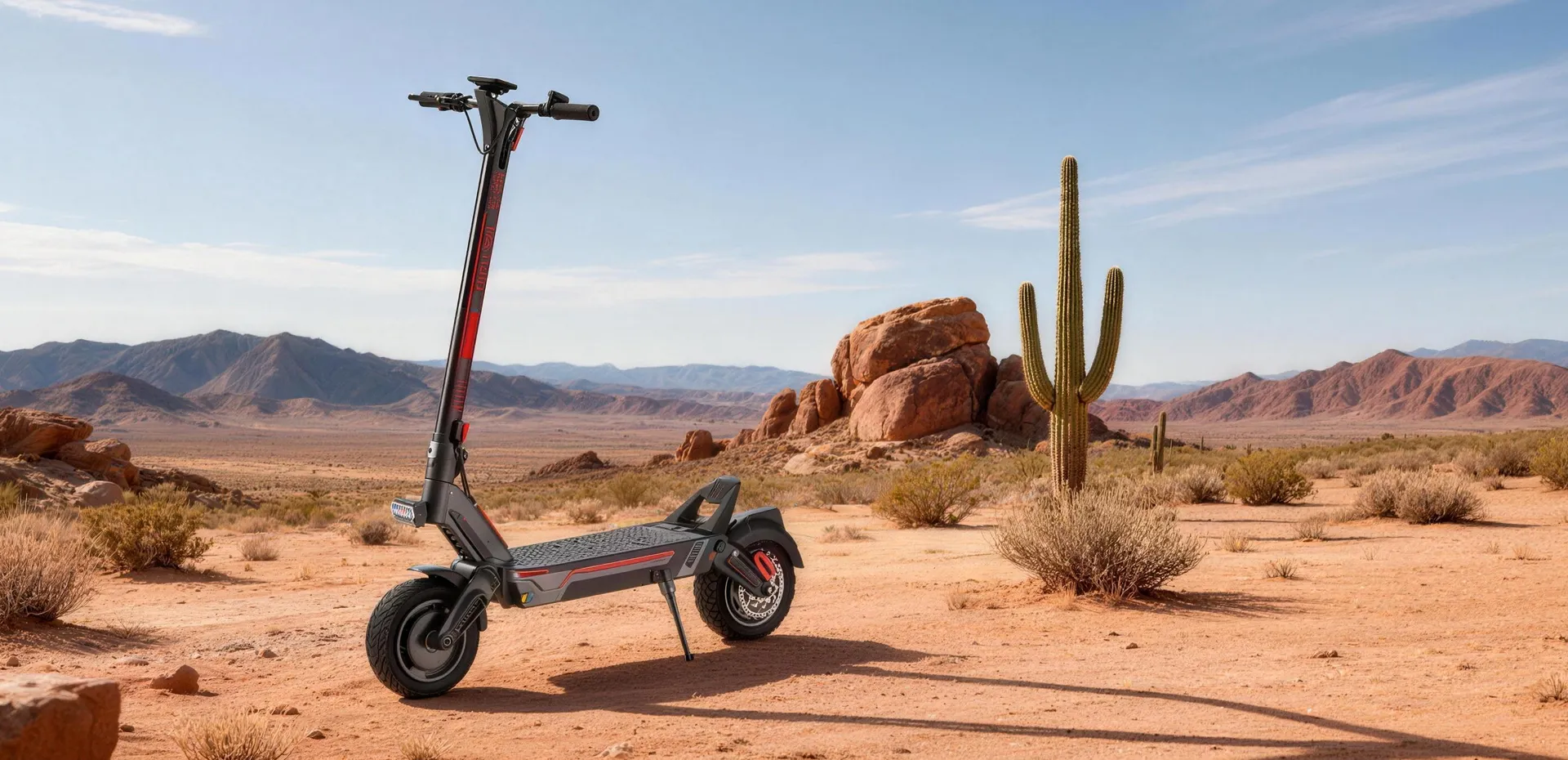
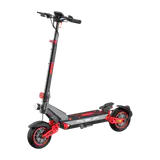
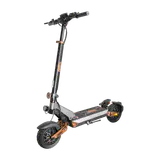
If you're after extreme performance or long-distance touring, the Zwheel ZSD2 ($900) or the Zwheel ZSE2 ($1400) deliver incredible power and range, but they also come with higher maintenance costs (tires, brakes, batteries).
Pro tip: Don't just look at the sticker price. Factor in any sales tax (typically 5–10% depending on your state) and shipping costs. Some retailers offer free shipping, while others charge $50–$150.
2. Insurance: Do You Really Need It?
Insurance is often overlooked by new scooter owners, but it can save you thousands if something goes wrong. While not legally required in most states (unlike cars), many cities or rental companies require liability coverage.
Expect to pay between $100 and $300 per year for a basic policy that covers theft, damage, and liability. If you finance your scooter, the lender will likely require comprehensive coverage. For a $500–$1500 scooter, insurance typically adds $8–$25 per month.
Real-world example: A Zwheel ZSA Plus owner in California might pay $120/year for a policy with $500 deductible—about $10/month.
3. Charging Costs: Pennies Per Mile
One of the biggest advantages of electric scooters is their low energy cost. Charging a typical scooter battery (36V, 10–20Ah) costs between $0.10 and $0.50 per full charge, depending on your local electricity rate. If you ride 10 miles per day, that's roughly 3–5 charges per week.
Let's do the math: At $0.30 per charge and 3 charges per week, your annual charging cost is about $47. Even for a high-capacity scooter like the ZSE2 (72V, 28Ah), you're looking at under $150 per year. Compare that to a gas car that costs $1,200+ annually in fuel—the savings are massive.
4. Maintenance and Repairs: Budget for the Unexpected
Electric scooters have fewer moving parts than gas vehicles, but they still need regular care. Here's what you'll likely spend in the first year:
Tires
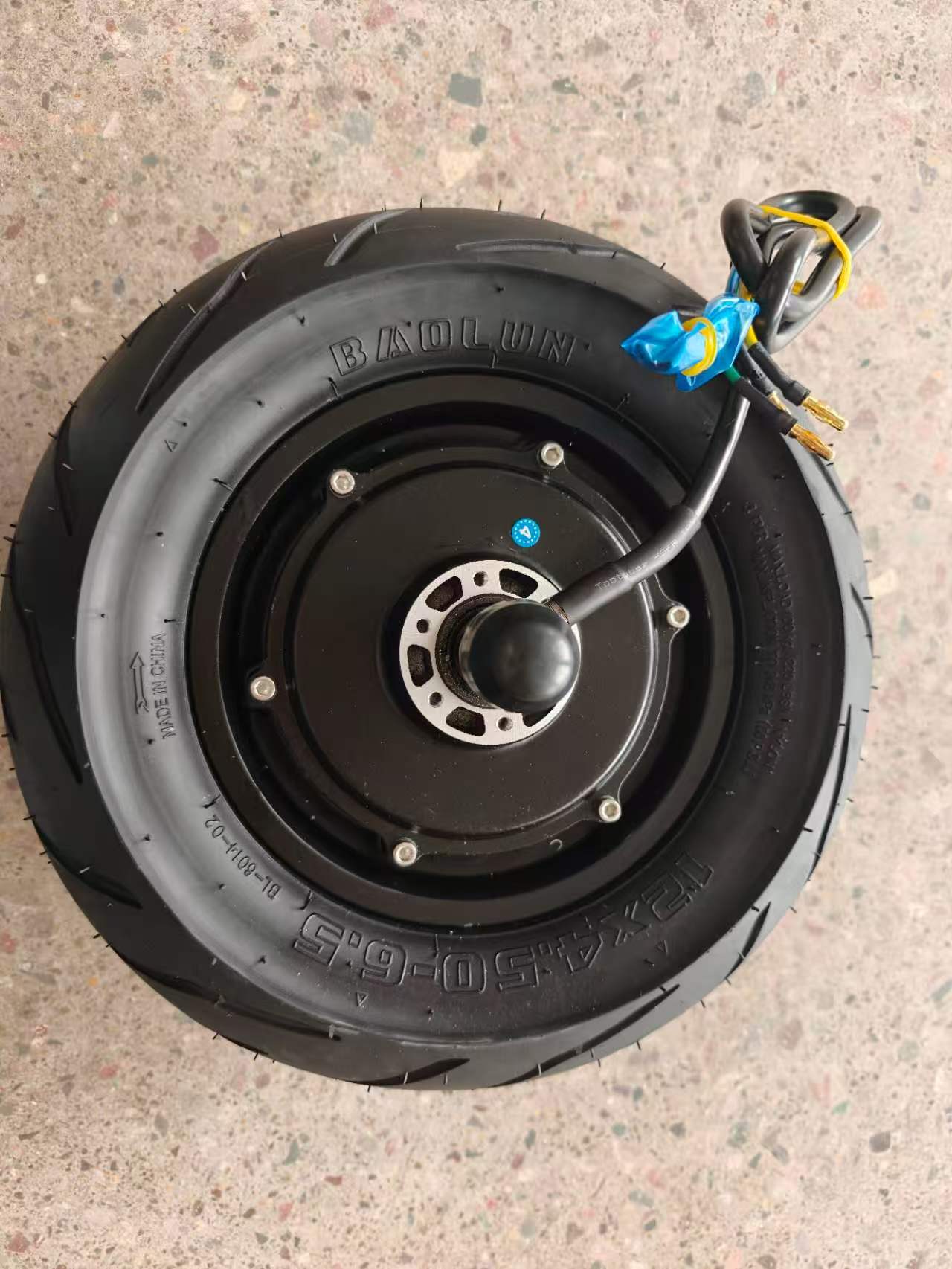
Pneumatic tires (common on most Zwheel models) can puncture. A tube replacement costs $15–$30, plus labor if you don't DIY. Solid tires are puncture-proof but offer a rougher ride. Budget $50–$100 for tire maintenance in year one, especially if you ride on rough roads.
Brakes
Disc brakes may need pad replacement after 500–1000 miles. A set of pads costs $10–$20, and bleeding hydraulic brakes adds $30–$60 if you hire a shop. Expect $20–$80 total.
Battery Health
Lithium-ion batteries degrade slowly, but extreme temperatures or deep discharges can accelerate wear. In the first year, you shouldn't need a replacement, but proper charging habits (avoid leaving it at 0% or 100% for long periods) can extend battery life. A replacement battery for a mid-range scooter costs $150–$400, but you likely won't need it until year 2 or 3.
General Tune-Ups
Lubricating the chain (if equipped), tightening bolts, and checking electrical connections can be DIY. If you take it to a shop, a basic tune-up runs $50–$100. For most riders, $100–$200 per year covers all maintenance.
5. Accessories and Gear: Don't Forget These
Safety gear and practical accessories are essential, not optional. Here's what you'll likely buy in the first year:
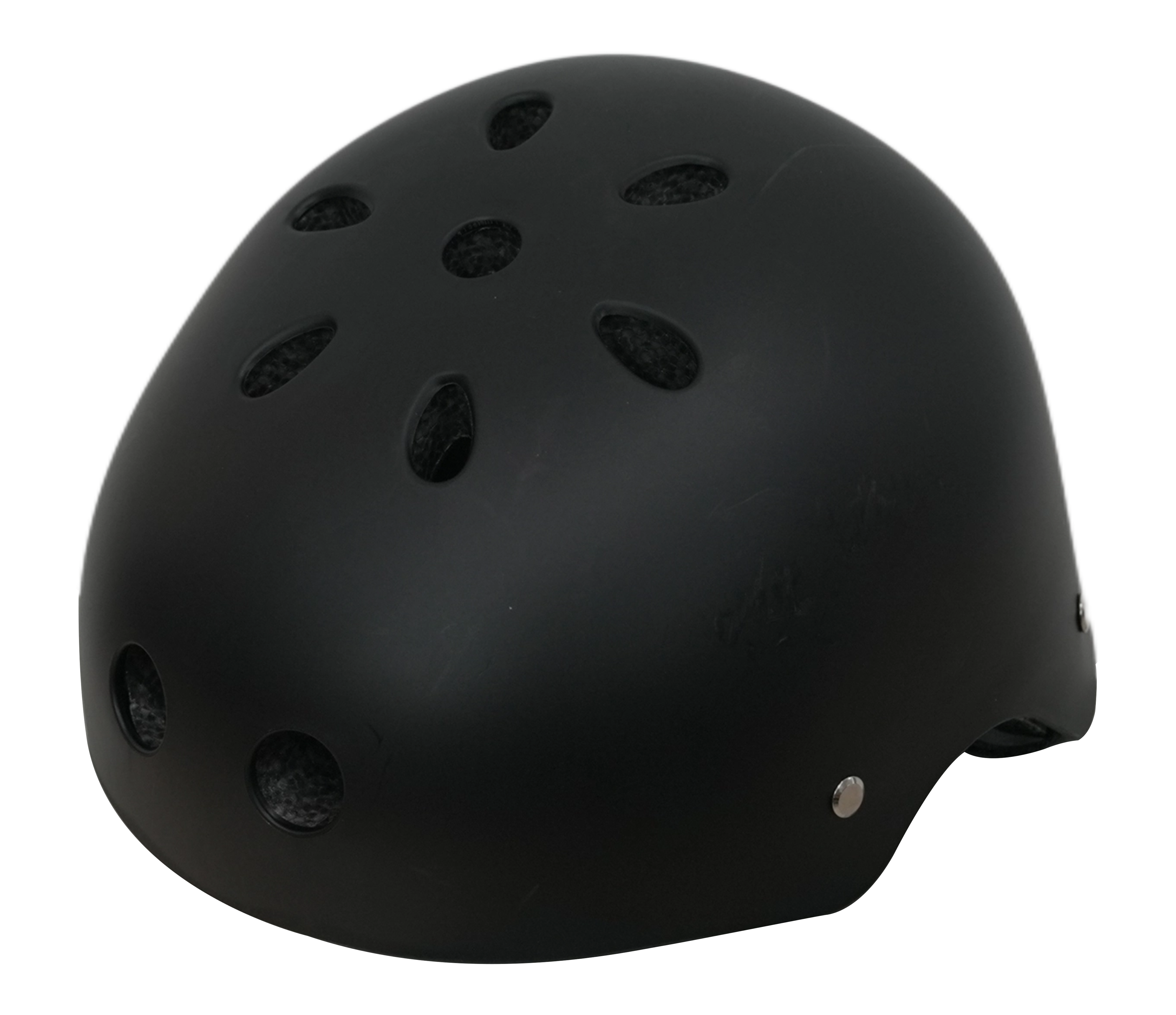
- Helmet: $50–$200 (a good full-face helmet is worth the investment)
- Lock: $30–$80 (a U-lock or heavy chain)
- Lights: $20–$50 (if your scooter doesn't have built-in lights)
- Phone mount: $15–$30
- Storage bag: $30–$60
Total for accessories: $145–$420. You can save by buying a bundle or using items you already own.
6. Hidden Costs: Registration, Parking, and Repairs
Some cities require registration for electric scooters (e.g., New York City charges $28 for a two-year registration). Parking can also be an issue—if you live in a high-theft area, you might pay for a storage locker or indoor parking. Expect $0–$100 per year for these extras.
Putting It All Together: First-Year Cost Examples
Let's calculate the total first-year cost for two different Zwheel models:
Budget Commuter: Zwheel ZSA Plus ($499)
- Purchase: $499
- Sales tax (8%): $40
- Insurance: $120
- Charging: $47
- Maintenance: $100
- Accessories: $200
- Registration/Parking: $30
- Total first year: $1,036
Performance Off-Road: Zwheel ZSD2 ($900)
- Purchase: $900
- Sales tax (8%): $72
- Insurance: $200
- Charging: $100
- Maintenance: $200
- Accessories: $300
- Registration/Parking: $50
- Total first year: $1,822
As you can see, the electric scooter total cost of ownership first year ranges from roughly $1,000 to $2,000, with the scooter price being the biggest factor. After the first year, costs drop significantly because you won't need new accessories or major repairs.
How to Keep Your First-Year Costs Low
- Buy during sales: Many brands offer discounts in spring or Black Friday.
- Learn basic maintenance: Changing a tire or brake pads yourself saves $50–$100.
- Charge wisely: Use a timer to avoid overcharging and keep battery healthy.
- Insure early: Some insurers offer multi-policy discounts if you bundle with renters or auto.
- Buy a scooter that fits your needs: Don't overspend on off-road features if you only ride on pavement.
Frequently Asked Questions
Is electric scooter insurance required?
In most states, insurance is not legally required for electric scooters, but it's strongly recommended to protect against theft, damage, and liability. Check your local laws—some cities require it for rental or commercial use.
How much does it cost to charge an electric scooter per year?
On average, charging a scooter costs $50–$150 per year, depending on your electricity rate and how often you ride. That's about 10–20 times cheaper than fueling a gas car.
Do electric scooters need a lot of maintenance?
No. Basic maintenance includes checking tire pressure, cleaning the deck, and occasional brake pad replacement. With proper care, most scooters require under $200 in maintenance the first year.
What is the resale value of an electric scooter after one year?
Electric scooters depreciate 20–40% in the first year, depending on brand, condition, and mileage. Zwheel models tend to hold value well due to their build quality. Selling after one year could recoup $300–$800 of your initial investment.
Can I save money by buying a used electric scooter?
Yes, buying used can save 30–50% off the original price, but you may inherit hidden maintenance costs. Always check the battery health and inspect for damage before buying. A certified pre-owned scooter from a reputable dealer is a safer bet.
Conclusion
The electric scooter total cost of ownership first year is more than just the purchase price—but it's still a fraction of what you'd spend on a car. With smart choices, you can keep your first-year expenses under $1,000 for a reliable commuter like the Zwheel ZSA Plus or around $2,000 for a high-performance model. After the first year, costs drop dramatically as you spread out accessory and maintenance expenses. So if you're ready to ditch traffic and save money, an electric scooter is a smart investment.
Scritto da
Zwheel Team
Parte del team editoriale Zwheel, con focus su mobilita elettrica, guide prodotti e consigli.