Waterproof Electric Scooter for Rainy Climates: 2026 Guide
Rain doesn't have to end your commute. Discover what IP ratings really mean, how to ride safely in wet weather, and which waterproof electric scooters handle rainy climates best.
Содержание
- Why a Waterproof Electric Scooter Matters in Rainy Climates
- Understanding IP Ratings: What the Numbers Really Mean
- IP Rating Breakdown for Water Resistance
- Why IPX4 Isn't Enough for Heavy Rain
- What Makes an Electric Scooter Truly Rain-Ready?
- 1. Sealed Battery Compartment
- 2. Water-Resistant Motor
- 3. Protected Controller and Wiring
- 4. Pneumatic Tires with Good Tread
- 5. Disc or Hydraulic Brakes
- 6. Fenders and Splash Guards
- Best Waterproof Electric Scooters for Rainy Climates
- Zwheel ZSA Plus — Best Budget Commuter for Light Rain
- Zwheel D3S-S — Step Up for Heavier Rain
- Zwheel ZSB2 — All-Terrain Rain Warrior
- Zwheel ZSD2 — Extreme Weather, Extreme Power
- How to Ride Safely in Rain: Practical Tips
- Reduce Speed by 30–50%
- Lean Less, Brake Earlier
- Avoid Deep Puddles
- Dry Your Scooter After Every Wet Ride
- Lubricate Moving Parts Monthly
- Store Indoors
- Maintenance Checklist for Wet-Weather Scooter Owners
- Common Mistakes to Avoid
- Frequently Asked Questions
- Can I ride an electric scooter in the rain?
- What IP rating is best for rainy climates?
- Does rain damage electric scooter batteries?
- How do I waterproof my existing electric scooter?
- Are solid tires or pneumatic tires better in rain?
- Final Thoughts: Ride Through the Rain, Not Around It
Why a Waterproof Electric Scooter Matters in Rainy Climates
If you live in Seattle, London, Singapore, or any city where rain is a weekly — or daily — reality, your electric scooter needs to handle moisture. Water is the silent killer of e-scooters. It corrodes bearings, shorts controllers, and turns a $600 investment into a paperweight within a season. That's why choosing a waterproof electric scooter for rainy climates isn't a luxury — it's a necessity.
But here's the catch: "waterproof" is thrown around loosely by manufacturers. Some scooters marketed as waterproof can barely survive a puddle. Others are genuinely built to handle downpours. This guide breaks down what actually matters — IP ratings, real-world performance, and practical wet-weather habits — so you can ride confidently through the rainy season.
Understanding IP Ratings: What the Numbers Really Mean
IP (Ingress Protection) ratings are the international standard for how well a device resists dust and water. The format is IPXY, where X is dust protection (0–6) and Y is water protection (0–9K). For rainy climates, you care about the second digit.
IP Rating Breakdown for Water Resistance
- IPX4 — Resistant to splashing water from any direction. Fine for light drizzle, not for heavy rain or puddles.
- IPX5 — Protected against low-pressure water jets. Can handle steady rain and wet roads.
- IPX6 — Protected against powerful water jets. Handles heavy rain, splashes from passing cars, and brief puddle submersion.
- IPX7 — Withstands immersion in up to 1 meter of water for 30 minutes. Rare in e-scooters, but ideal for extreme conditions.
- IPX8/IPX9K — Continuous immersion or high-pressure steam cleaning. Almost unheard of in consumer scooters.
Most quality commuter scooters sit at IPX4 to IPX5. Off-road and premium models often reach IPX6. If a manufacturer doesn't list an IP rating at all, assume it's unprotected — and avoid it for rainy climates.
Why IPX4 Isn't Enough for Heavy Rain
IPX4 protects against splashes, but a 20-minute ride in a downpour exposes your scooter to continuous water contact, road spray, and standing water. Over time, even IPX4-rated scooters develop rust in bearings and corrosion in connectors. For genuinely rainy climates, aim for IPX5 or higher on the deck, motor, and battery compartment.
What Makes an Electric Scooter Truly Rain-Ready?
IP ratings are only part of the story. A waterproof electric scooter for rainy climates needs thoughtful design across every component:
1. Sealed Battery Compartment
The battery is the most vulnerable and expensive component. Look for scooters with gasketed battery covers, sealed connectors, and waterproof BMS (Battery Management System) enclosures. Water intrusion here can cause fires — not just failures.
2. Water-Resistant Motor
Hub motors are generally more water-resistant than chain-drive systems because they have fewer exposed moving parts. Look for motors with sealed bearings and IPX5+ ratings.
3. Protected Controller and Wiring
The controller is the brain of your scooter. It should be housed in a sealed compartment, with waterproof connectors on all wiring harnesses. Cheap scooters often expose these — a fatal flaw in wet weather.
4. Pneumatic Tires with Good Tread
Solid tires slide on wet pavement. Pneumatic (air-filled) tires with grooved tread channel water away and provide grip. This is a safety feature, not just a comfort one.
5. Disc or Hydraulic Brakes
Electronic brakes can fail when wet. Mechanical disc brakes — especially hydraulic ones — provide reliable stopping power in rain. Always test brakes gently after riding through water.
6. Fenders and Splash Guards
Full-coverage fenders keep water from spraying onto your back, legs, and the scooter's electronics. They're a small detail that makes a big difference.
Best Waterproof Electric Scooters for Rainy Climates
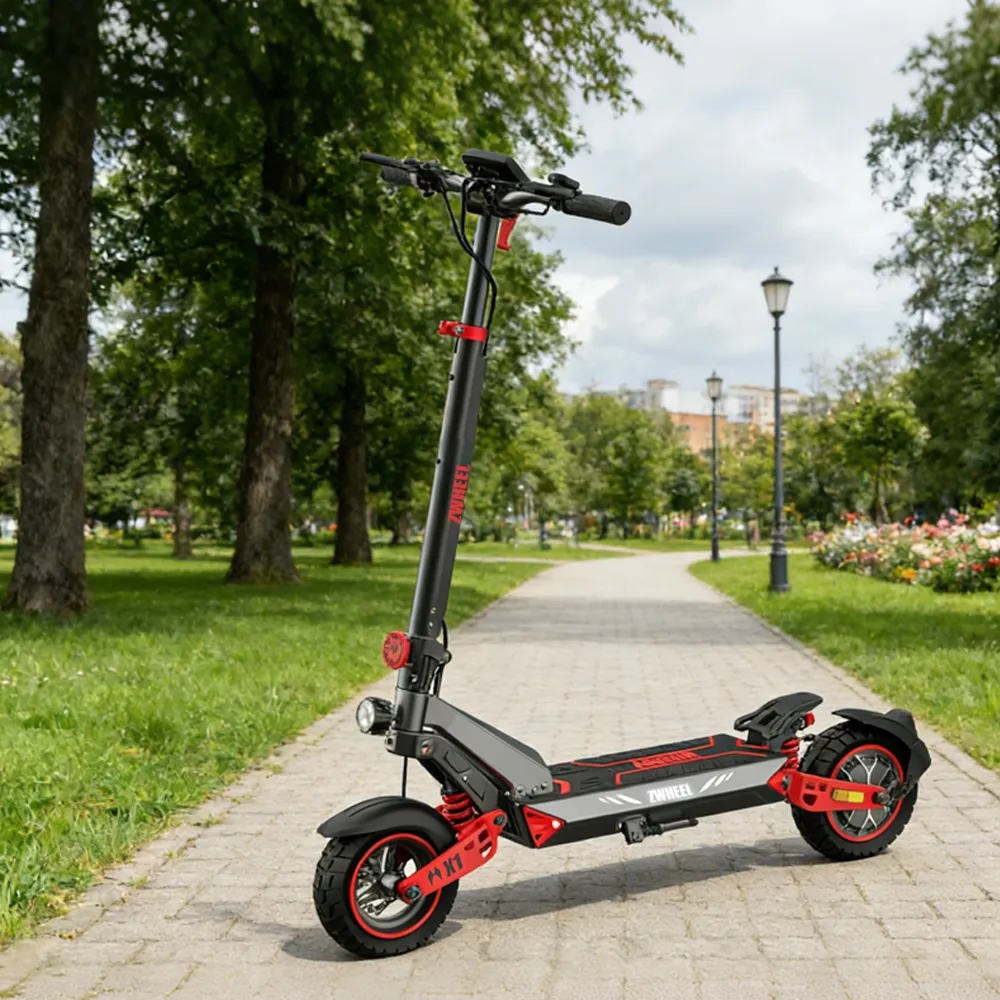
At Zwheel, we build scooters with wet-weather commuting in mind. Here are models that stand out for rainy climates, from daily commuters to all-terrain beasts.
Zwheel ZSA Plus — Best Budget Commuter for Light Rain
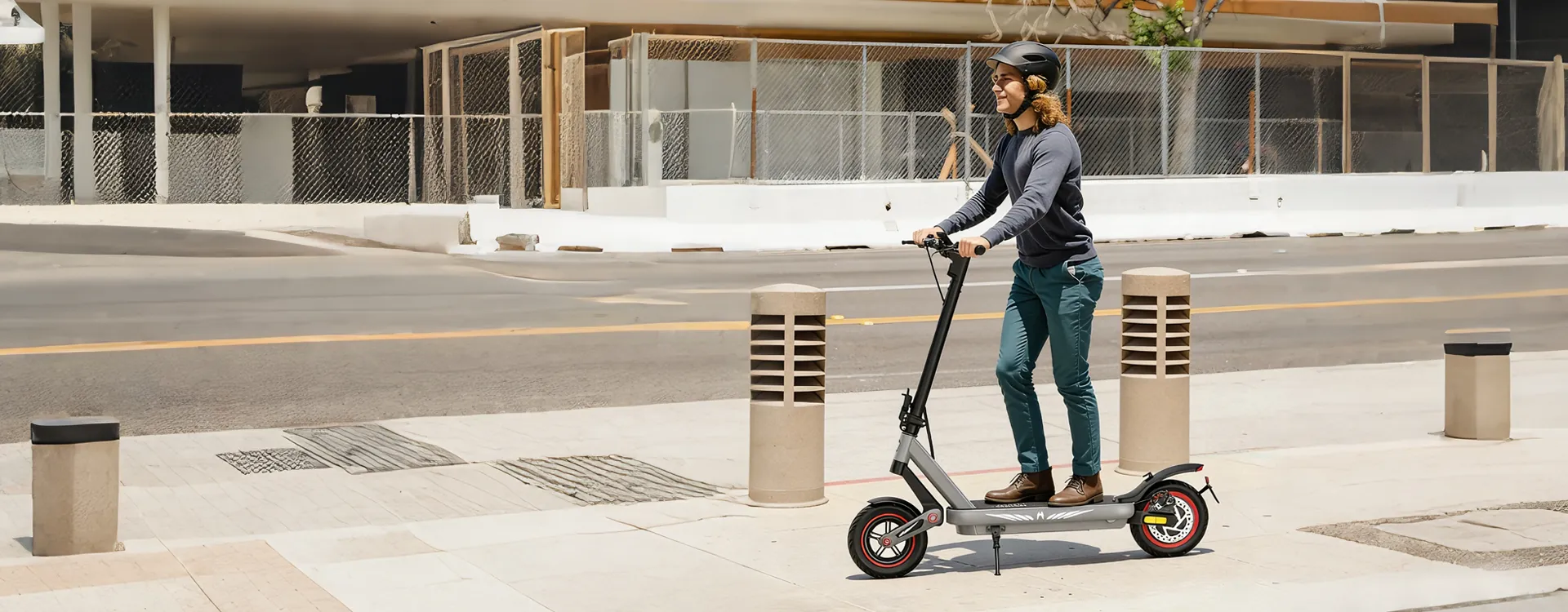
The Zwheel ZSA Plus is an 800W commuter scooter priced at $499. It's ideal for city riders who face occasional drizzle and wet roads. With a sealed deck and water-resistant controller, it handles light to moderate rain well. If your climate sees more drizzle than downpours, this is a smart, affordable choice.
Zwheel D3S-S — Step Up for Heavier Rain
The Zwheel D3S-S bumps power to 1000W for $600. It offers improved sealing on the battery compartment and motor, making it better suited to cities with frequent, heavier rainfall. The extra power also helps maintain speed on wet inclines where traction is limited.
Zwheel ZSB2 — All-Terrain Rain Warrior
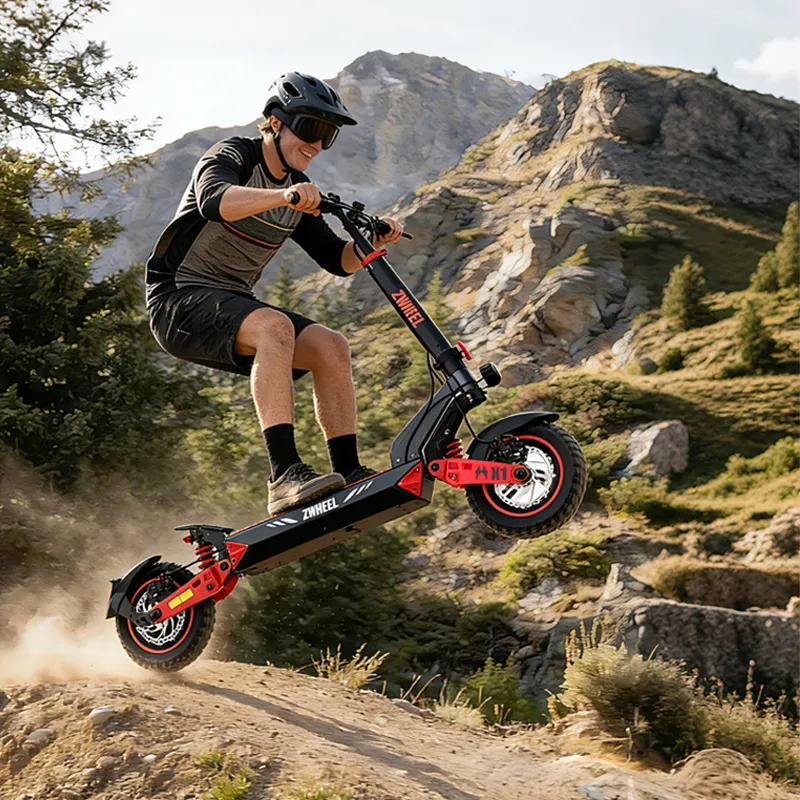
For riders who face both rain and rough roads, the Zwheel ZSB2 is a standout. With 1500W, all-terrain tires, and reinforced water resistance, it's built for mixed conditions — wet gravel, slick pavement, and everything between. At $650, it's one of the most versatile waterproof electric scooters for rainy climates.
Zwheel ZSD2 — Extreme Weather, Extreme Power
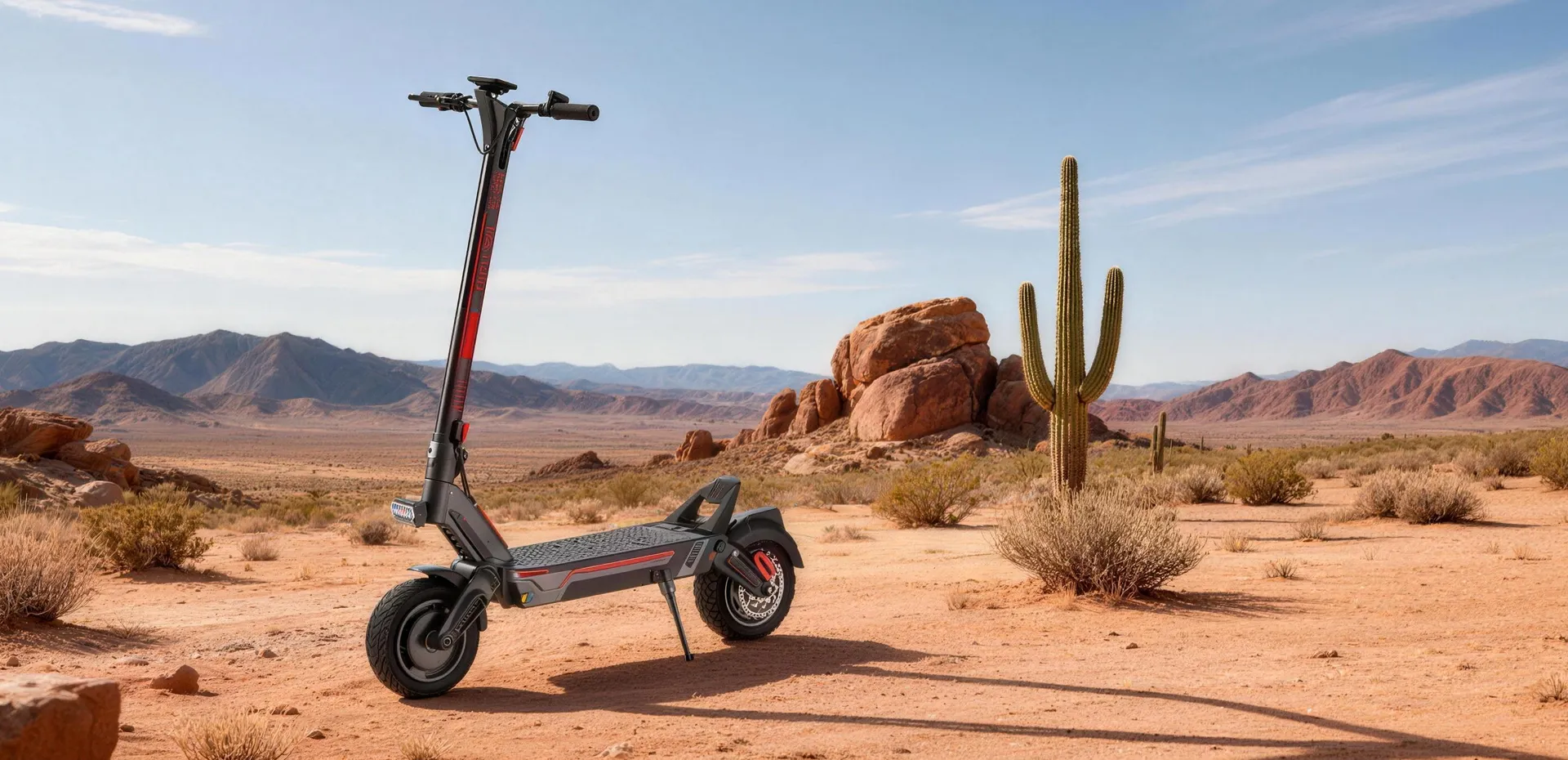
If you ride in mountainous or coastal regions with relentless rain, the Zwheel ZSD2 delivers 4000W of off-road power for $900. Its sealed motor and rugged construction make it a top pick for riders who refuse to let weather dictate their schedule.
How to Ride Safely in Rain: Practical Tips
Even the best waterproof electric scooter for rainy climates needs a smart rider. Follow these habits to stay safe and protect your investment:
Reduce Speed by 30–50%
Wet roads cut traction dramatically. Braking distances double on wet pavement. Slow down, especially before turns and intersections.
Lean Less, Brake Earlier
Aggressive leaning causes slips. Keep your body more upright and brake gradually, using both brakes if you have them.
Avoid Deep Puddles
Even IPX6 scooters shouldn't be submerged. Puddles hide potholes and can force water into bearings. Ride around them when possible.
Dry Your Scooter After Every Wet Ride
Wipe down the deck, frame, and tires with a dry cloth. Pay attention to the charging port — never charge a wet scooter. Let it air-dry for at least an hour before plugging in.
Lubricate Moving Parts Monthly
Apply silicone-based lubricant to folding mechanisms, bearings, and brake cables. Avoid WD-40 on bearings — it attracts grit. Use a proper bike lubricant instead.
Store Indoors
Never leave your scooter outside in the rain. Even waterproof models degrade with constant moisture exposure. Indoor storage extends lifespan by years.
Maintenance Checklist for Wet-Weather Scooter Owners
Rainy climates demand a maintenance routine. Here's a simple monthly checklist:
- Inspect seals and gaskets around the battery compartment and controller. Replace if cracked.
- Check tire pressure weekly — underinflated tires lose grip faster on wet roads.
- Test brakes after every wet ride. Adjust cables as needed.
- Clean and lubricate the folding mechanism and suspension (if equipped).
- Inspect wiring for exposed connectors or fraying. Seal with dielectric grease if needed.
- Charge indoors and only after the scooter is fully dry.
Skipping these steps is the fastest way to turn a waterproof scooter into a rusted one.
Common Mistakes to Avoid
Even experienced riders make these errors in rainy climates:
- Trusting "waterproof" marketing without an IP rating. Always verify the number.
- Power-washing your scooter. High-pressure water defeats most seals. Use a damp cloth instead.
- Charging immediately after a wet ride. Water plus electricity equals disaster. Wait.
- Ignoring rust on bolts and bearings. Small corrosion becomes structural failure.
- Riding through flooded streets. No consumer scooter is designed for that.
Frequently Asked Questions
Can I ride an electric scooter in the rain?
Yes, if your scooter has an IPX5 rating or higher. IPX4 models can handle light drizzle, but heavy rain requires better sealing. Always reduce speed and dry your scooter afterward.
What IP rating is best for rainy climates?
IPX5 is the minimum for regular rain. IPX6 is ideal for heavy rain and splashing from traffic. IPX7 is rare but offers the best protection for extreme conditions.
Does rain damage electric scooter batteries?
Yes — water intrusion into the battery compartment can cause corrosion, short circuits, and even fires. Choose scooters with sealed battery enclosures and never charge a wet scooter.
How do I waterproof my existing electric scooter?
You can improve resistance with dielectric grease on connectors, silicone sealant around seams, and full fenders. However, you can't upgrade a scooter's core IP rating — if it's unprotected, ride only in dry conditions.
Are solid tires or pneumatic tires better in rain?
Pneumatic tires with tread are far better in rain. They grip wet pavement, absorb shocks, and channel water away. Solid tires tend to slip on wet surfaces.
Final Thoughts: Ride Through the Rain, Not Around It
A waterproof electric scooter for rainy climates opens up your commute year-round. Instead of checking the forecast every morning, you ride with confidence — knowing your scooter is sealed, your brakes work, and your battery is protected.
The key is choosing the right model. Look for IPX5 or higher, sealed components, pneumatic tires, and reliable brakes. Then pair that scooter with smart habits: slow down, dry it off, and maintain it monthly.
Whether you're commuting through London drizzle or Pacific Northwest downpours, Zwheel builds scooters that handle the wet. Explore our all-terrain ZSB2 or the high-power ZSD2 to find your perfect rain-ready ride. Your commute doesn't have to stop when the sky opens up.
Автор
Zwheel Team
Член редакционной команды Zwheel.