Electric Scooter Tokyo Japan Legal Status 2026: Full Guide
Tokyo's electric scooter laws changed dramatically in 2023, but enforcement and local rules continue to evolve. This 2026 guide covers everything you need to know about riding an e-scooter legally in Tokyo, from license requirements to where you can park.
目录
- Electric Scooter in Tokyo: Is It Legal in 2026?
- Japan's National E-Scooter Law: The Basics
- What Changed in 2023?
- Key Requirements (Still in Effect 2026)
- Tokyo-Specific Rules and Enforcement
- Where Can You Ride?
- Tourist Tips
- Practical Tips for Riding in Tokyo
- Dealing with Traffic and Pedestrians
- Weather Considerations
- Which Scooter to Use?
- Frequently Asked Questions
- Can I ride an electric scooter in Tokyo without a license?
- Do I need a helmet for an e-scooter in Tokyo?
- What happens if I get caught riding on the sidewalk in Tokyo?
- Are rental e-scooters available in Tokyo for tourists?
- Can I bring my own electric scooter to Tokyo?
- Conclusion: Ride Smart, Stay Legal
Electric Scooter in Tokyo: Is It Legal in 2026?
Yes, electric scooters are legal in Tokyo as of 2026 — but with strict rules that differ significantly from many Western countries. Japan overhauled its road traffic laws in July 2023 to create a new vehicle category called 'motorized bicycles' (原動機付自転車), which covers e-scooters. Since then, local Tokyo ordinances and police enforcement have added nuance, especially for tourists and short-term visitors.
If you're planning to ride an electric scooter in Tokyo, you need to understand three key things: the national legal framework, Tokyo's specific enforcement priorities, and the practical realities of riding in one of the world's densest cities. This guide gives you the 2026 update.
Japan's National E-Scooter Law: The Basics
What Changed in 2023?
Before July 2023, electric scooters were legally treated as motorized vehicles requiring a driver's license, license plates, and insurance. The 2023 revision created a new class: 'specified small motorized bicycles' (特定小型原動機付自転車). This reclassification made legal riding possible for more people, but with strict conditions.
Key Requirements (Still in Effect 2026)
- License: You need a valid driver's license (any category — car, motorcycle, or moped) to ride an e-scooter on public roads. International Driving Permits (IDP) issued under the 1949 Geneva Convention are accepted for tourists. However, IDPs from some countries (e.g., Switzerland, Germany, France) are not recognized — check before you travel.
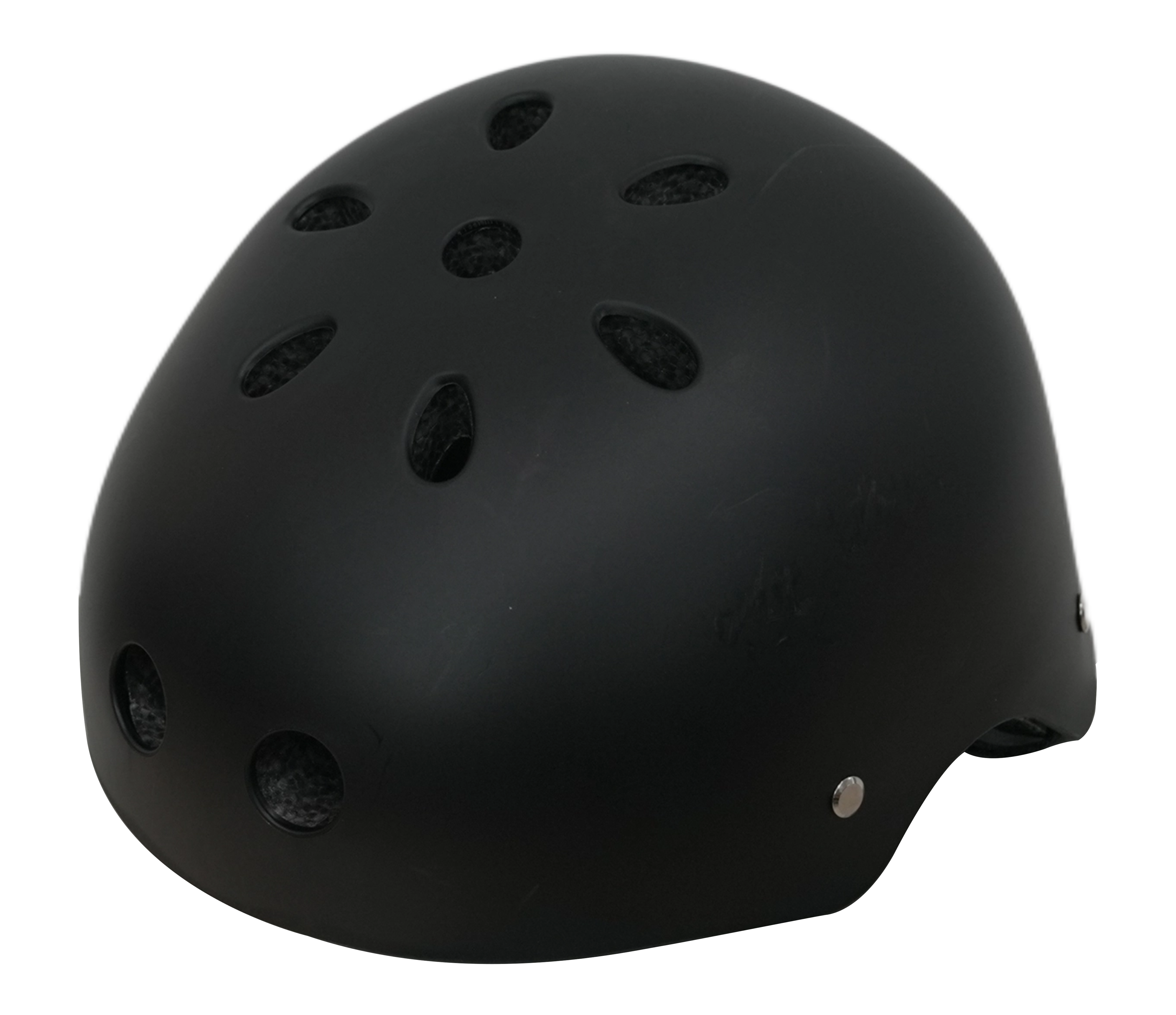
- Helmet: Helmets are mandatory by national law. This is strictly enforced in Tokyo, with fines of up to ¥5,000 (about $35 USD).
- Speed limit: Maximum 20 km/h (12.4 mph) on public roads. Some models can be switched to a slower 'sidewalk mode' (6 km/h) for riding on designated sidewalks, but this is rarely permitted in Tokyo's crowded pedestrian areas.
- Registration: You must register your scooter and display a license plate. Rental scooters from companies like Luup and Docomo Bike Share handle this for you.
- Insurance: Liability insurance is mandatory. Rental companies include it in their fees; private owners must arrange their own.
Tokyo-Specific Rules and Enforcement
Where Can You Ride?
Tokyo's metropolitan government has not added city-specific laws beyond the national framework, but police enforcement is notably strict in central wards like Shinjuku, Shibuya, and Chiyoda. Key practical rules:
- Roads only: Ride on the road, not on sidewalks (except where signed otherwise). Tokyo police regularly ticket sidewalk riders, especially near train stations.
- Bike lanes: Where available, use bicycle lanes. Many major roads in Tokyo now have dedicated cycling infrastructure, but e-scooters are legally required to use them if present.
- No riding in parks: Most Tokyo parks (Yoyogi, Ueno, Shinjuku Gyoen) prohibit e-scooters unless on designated paths. Fines apply.
- Parking: Park in designated bicycle parking areas or paid lots. Abandoned scooters are a growing problem, and Tokyo authorities have begun impounding improperly parked e-scooters since early 2025.
Tourist Tips
If you're visiting Tokyo and want to ride an e-scooter, use a licensed rental service like Luup. They provide a helmet, handle registration, and include insurance. You'll need to upload a photo of your driver's license (or IDP) when you sign up. Important: Rental scooters are geofenced — you cannot ride outside central Tokyo without the app warning you. Stick to the 23 special wards for the best experience.
Practical Tips for Riding in Tokyo
Dealing with Traffic and Pedestrians
Tokyo's streets are a mix of narrow back alleys and wide boulevards. Ride defensively — delivery bikes, taxis, and pedestrians crossing illegally are common. Use hand signals for turns (left arm straight out for left turn, right arm out for right turn). At night, your scooter must have a working headlight and taillight; rental scooters have these built-in.
Weather Considerations
Tokyo has hot, humid summers and occasional typhoons from June to October. Avoid riding in heavy rain — roads become slippery, and visibility drops. Winter is dry and cold, but ice is rare. The best months for scooting are March–May and October–November.
Which Scooter to Use?
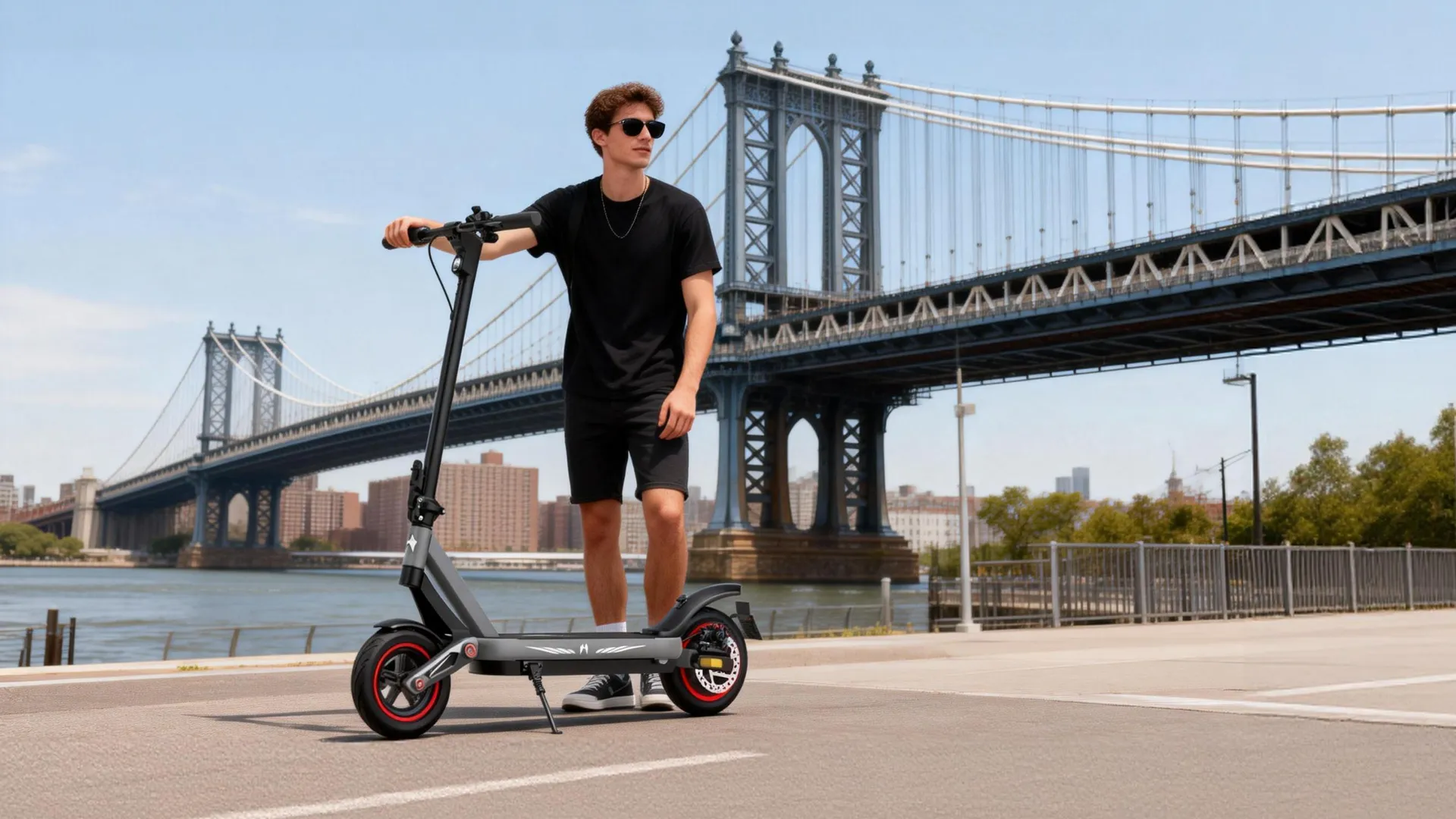
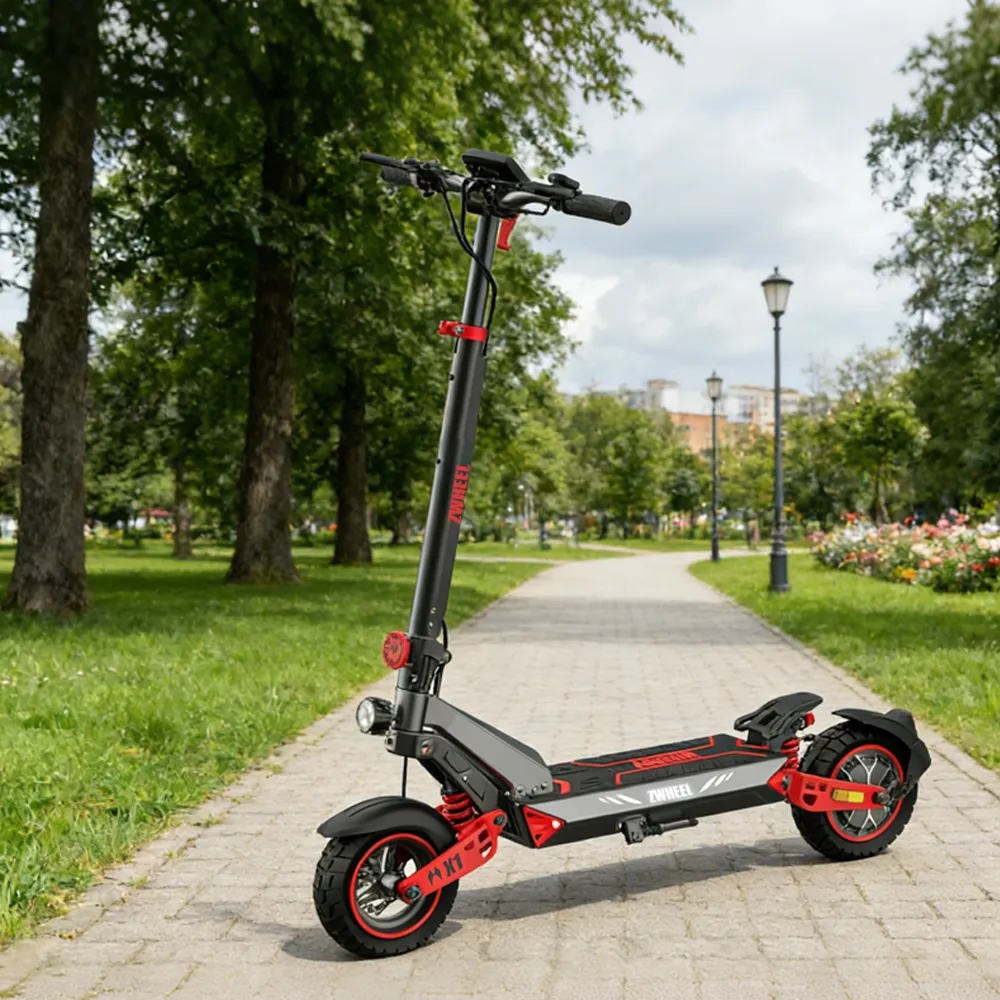
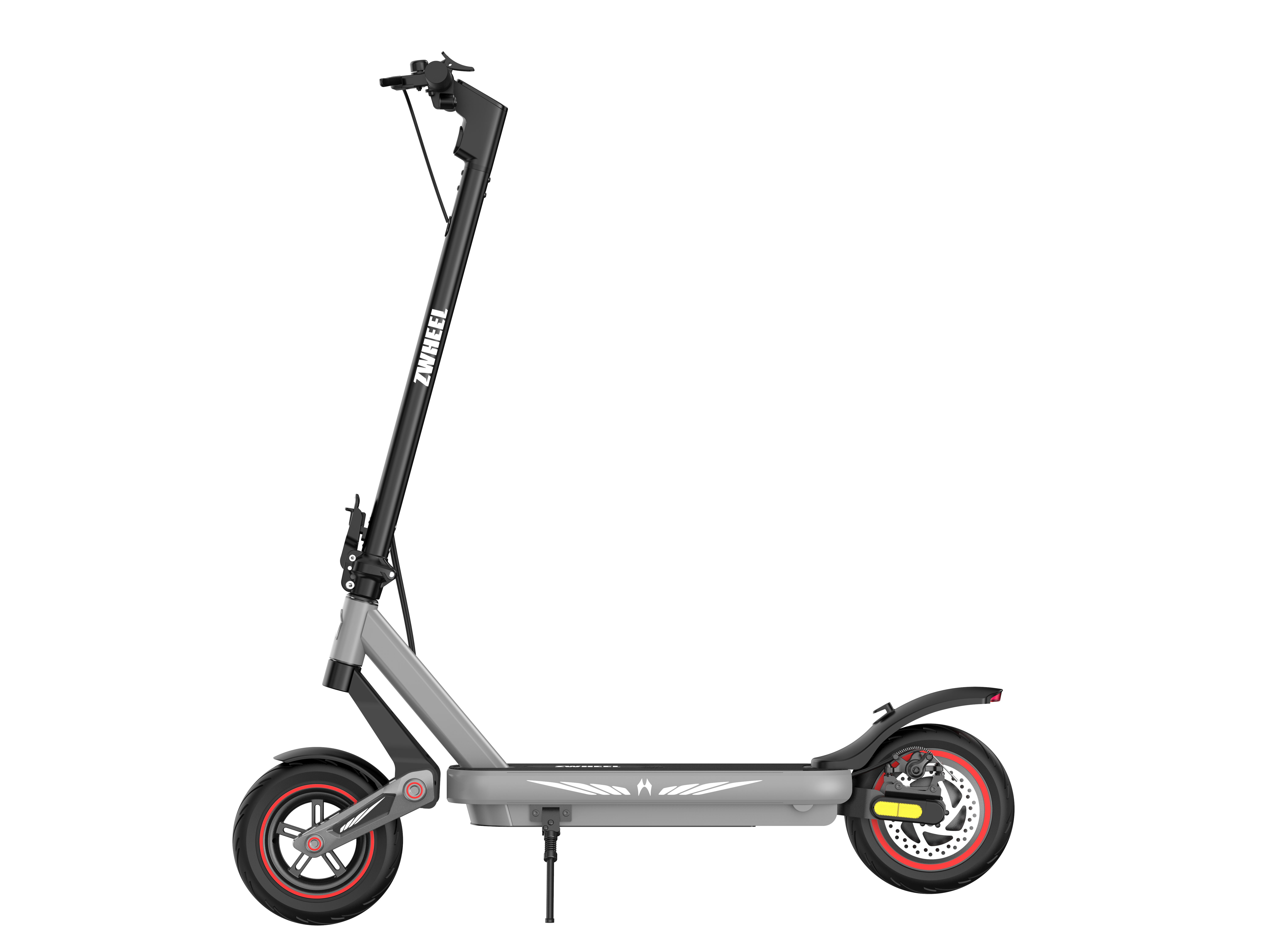
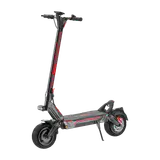
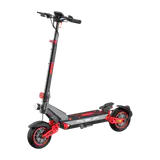
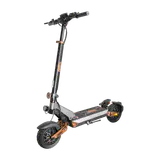
For commuting in Tokyo, a lightweight, foldable model is ideal. The Zwheel ZSA Plus (800W, $499) is a great city commuter — it's compact enough to carry into an office or apartment, and its 20 mph top speed is sufficient for Tokyo's 20 km/h legal limit. If you need more range for longer trips across the city, the Zwheel D3S-S (1000W, $600) offers 25–30 miles of range on a single charge, perfect for a full day of sightseeing.
Frequently Asked Questions
Can I ride an electric scooter in Tokyo without a license?
No. A valid driver's license (or recognized International Driving Permit) is mandatory. There is no exception for low-speed scooters — all e-scooters that can exceed 6 km/h require a license. Rental companies check this before you ride.
Do I need a helmet for an e-scooter in Tokyo?
Yes, by national law. Helmets are compulsory for all riders. Rental scooters come with a helmet in the basket. If you bring your own scooter, you must wear a helmet that meets Japanese safety standards (SG or JIS mark).
What happens if I get caught riding on the sidewalk in Tokyo?
You can be fined up to ¥5,000 (about $35 USD) for riding on the sidewalk where it's not allowed. In busy areas like Shibuya Crossing or Shinjuku Station, police patrol regularly. Stick to the road or bike lanes.
Are rental e-scooters available in Tokyo for tourists?
Yes. Luup is the largest provider, with thousands of scooters across Tokyo. You need a smartphone, a valid driver's license (or IDP), and a credit card. The app is in English. Other services include Docomo Bike Share and Hello Cycling, though they focus more on bicycles.
Can I bring my own electric scooter to Tokyo?
Yes, but you must register it with the local police station after arrival, obtain a license plate, and have liability insurance. The process takes a few days and requires a Japanese address. Most short-term visitors find renting easier. If you do bring your own, ensure it complies with Japanese regulations (max 20 km/h, working lights, horn, etc.). A good option is the Zwheel ZSB1 (1200W, $599) — it's powerful enough for hills but compact for storage.
Conclusion: Ride Smart, Stay Legal
The electric scooter Tokyo Japan legal status is clear: riding is legal, but you must follow national and local rules. Carry your license, wear a helmet, stay on roads, and park responsibly. Whether you're a tourist exploring Asakusa or a resident commuting to Shinjuku, an e-scooter is a fun, efficient way to get around — as long as you respect the law. For a reliable, city-friendly ride, check out Zwheel's commuter models like the ZSA Plus or D3S-S. Ride safe!
作者
Zwheel Team
Zwheel 编辑团队成员,专注于电动出行趋势、产品指南和骑行技巧。