Electric Scooter for Daily Grocery Shopping Tips
Master grocery runs with your electric scooter using these practical tips on scooter selection, cargo carrying, and safety for efficient daily shopping.
Table of Contents
- Electric Scooter for Daily Grocery Shopping Tips
- Why Use an Electric Scooter for Grocery Shopping?
- Choosing the Right Electric Scooter for Grocery Runs
- Payload Capacity and Cargo Options
- Range and Battery Life
- Portability and Storage
- Tires and Suspension
- Essential Tips for Carrying Groceries on Your Scooter
- Use a Backpack or Messenger Bag
- Attach a Front Basket or Handlebar Bag
- Consider a Trailer or Cargo Rack
- Pack Smart: Weight Distribution and Fragile Items
- Secure Your Load
- Safety First: Riding with Groceries
- Adjust Your Riding Style
- Check Tire Pressure and Brakes
- Wear a Helmet and Visibility Gear
- Plan Your Route
- Maximizing Efficiency at the Store
- Make a List and Stick to It
- Shop During Off-Peak Hours
- Use Scan-as-You-Go Apps
- Choose the Right Store Layout
- Maintenance Tips for Daily Grocery Runs
- Frequently Asked Questions
- Can I carry groceries on an electric scooter?
- What’s the best electric scooter for grocery shopping?
- How do I prevent groceries from falling off my scooter?
- Is it legal to ride an electric scooter with groceries?
- How often should I maintain my scooter for daily use?
- Conclusion
Electric Scooter for Daily Grocery Shopping Tips
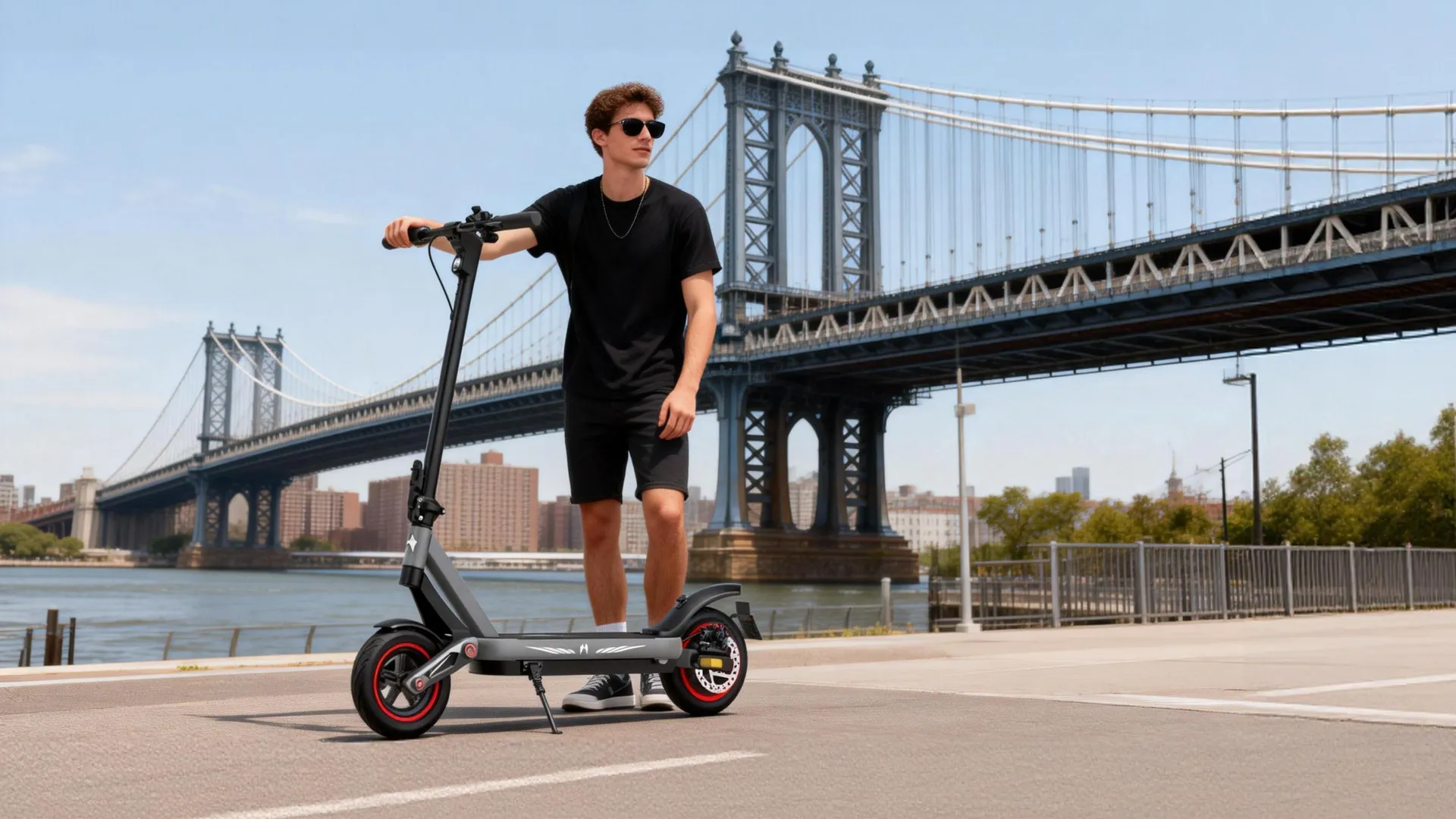
Using an electric scooter for daily grocery shopping is a smart, eco-friendly way to save time and money—if you do it right. With the right scooter and a few practical strategies, you can turn a chore into a quick, enjoyable errand. In this guide, we’ll share expert tips on choosing the ideal scooter, carrying groceries safely, and navigating stores efficiently so you can make the most of every trip.
Why Use an Electric Scooter for Grocery Shopping?
Electric scooters offer convenience, affordability, and environmental benefits. They eliminate parking hassles, reduce fuel costs, and let you zip through traffic. For short daily trips to the store, a scooter can be faster than a car, especially in urban areas. Plus, you get a bit of fresh air and exercise (yes, even with a motor!).
Choosing the Right Electric Scooter for Grocery Runs
Not all scooters are created equal when it comes to hauling groceries. Consider these factors:
Payload Capacity and Cargo Options
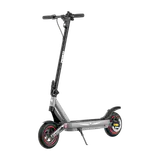
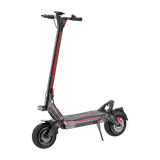
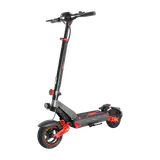
Check the scooter’s weight limit—including you and your groceries. Most commuter scooters handle around 100–120 kg (220–265 lbs). Look for models with sturdy decks and attachment points for bags or baskets. For example, the Zwheel ZSA Plus (800W, $499) offers a solid build and good range for city errands, while the Zwheel D3S-S (1000W, $600) provides extra power for hilly routes.
Range and Battery Life
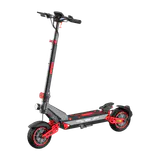
Daily shopping trips are usually short (under 5 miles round trip), but consider your overall errands. A range of 15–25 miles is more than enough. The Zwheel ZSB1 (1200W, $599) offers a balance of power and range for mixed terrain, making it a versatile choice.
Portability and Storage
If you need to bring the scooter inside the store or fold it for public transport, look for a lightweight, folding model. The ZSA Plus weighs around 18 kg (40 lbs) and folds easily—manageable for most adults.
Tires and Suspension
Potholes and uneven sidewalks can jostle groceries. Choose scooters with pneumatic tires and suspension for a smoother ride. The D3S-S features 10-inch pneumatic tires and dual suspension, reducing spill risk.
Essential Tips for Carrying Groceries on Your Scooter
Carrying groceries safely is crucial. Here’s how to do it without compromising stability:
Use a Backpack or Messenger Bag
Distribute weight evenly by wearing a sturdy backpack. This keeps your hands free for steering and balances the load. Look for bags with padded straps and multiple compartments.
Attach a Front Basket or Handlebar Bag
Many scooters support handlebar bags or baskets (check weight limits). Place lighter items like bread and eggs in front, and heavier items in your backpack.
Consider a Trailer or Cargo Rack
For larger hauls, a small cargo trailer (if legal in your area) or a rear rack can help. Ensure it’s securely attached and doesn’t affect braking or balance.
Pack Smart: Weight Distribution and Fragile Items
Put heavier items (milk, canned goods) at the bottom of your bag, close to your body. Fragile items like eggs and produce go on top. Use reusable bags with flat bottoms to prevent tipping.
Secure Your Load
Use bungee cords or straps to secure bags to a rack. Avoid hanging bags from the handlebars—they can swing and cause accidents.
Safety First: Riding with Groceries
Safety should never take a back seat. Follow these guidelines:
Adjust Your Riding Style
With extra weight, braking distances increase. Ride slower, start braking earlier, and avoid sudden turns. Keep both hands on the handlebars.
Check Tire Pressure and Brakes
Before each trip, check tire pressure and brake function. Under-inflated tires reduce stability and range.
Wear a Helmet and Visibility Gear
Always wear a helmet. Use lights and reflective clothing, especially for evening shopping trips.
Plan Your Route
Choose roads with bike lanes and smooth surfaces. Avoid busy streets during peak hours. Google Maps’ cycling layer can help.
Maximizing Efficiency at the Store
Make your shopping trip quicker and easier with these strategies:
Make a List and Stick to It
Plan meals for the week and create a detailed list. This reduces impulse buys and ensures you get everything in one trip.
Shop During Off-Peak Hours
Early mornings or late evenings mean fewer crowds and more space to maneuver with your scooter (if permitted inside).
Use Scan-as-You-Go Apps
Many stores offer apps that let you scan items as you shop, speeding up checkout. This is especially handy when you’re carrying groceries on a scooter.
Choose the Right Store Layout
If you’re bringing the scooter inside, opt for stores with wide aisles and elevators. Some supermarkets allow scooters; check policies beforehand.
Maintenance Tips for Daily Grocery Runs
Regular maintenance keeps your scooter reliable:
- Clean and lubricate the chain (if applicable) every month.
- Check brake pads for wear every 200 miles.
- Store the battery in a cool, dry place and avoid full discharge.
- Inspect tires for punctures and tread wear weekly.
Frequently Asked Questions
Can I carry groceries on an electric scooter?
Yes, with the right accessories like a backpack, handlebar bag, or cargo rack. Distribute weight evenly and secure items to maintain stability.
What’s the best electric scooter for grocery shopping?
Look for a model with a high payload capacity, good range, and stability features. The Zwheel ZSA Plus or D3S-S are great for city errands, while the ZSB1 handles mixed terrain.
How do I prevent groceries from falling off my scooter?
Use a backpack for even weight distribution, secure bags with straps, and avoid hanging items from the handlebars. Pack fragile items on top and use padded bags.
Is it legal to ride an electric scooter with groceries?
Legality depends on local regulations. Most places allow scooters on roads and bike lanes with a weight limit. Check your local laws regarding cargo and scooter use.
How often should I maintain my scooter for daily use?
Inspect tires and brakes weekly, clean and lubricate monthly, and check battery health every few months. Regular maintenance ensures safety and longevity.
Conclusion
Using an electric scooter for daily grocery shopping is a practical, eco-friendly habit that saves time and money. By choosing the right scooter, carrying groceries safely, and planning your trips, you can streamline your errands. Remember to prioritize safety and maintenance. Ready to upgrade your shopping experience? Explore Zwheel’s lineup of reliable electric scooters designed for everyday adventures.
Written by
Zwheel Team
Part of the Zwheel editorial team, covering e-mobility trends, product guides, and rider tips.