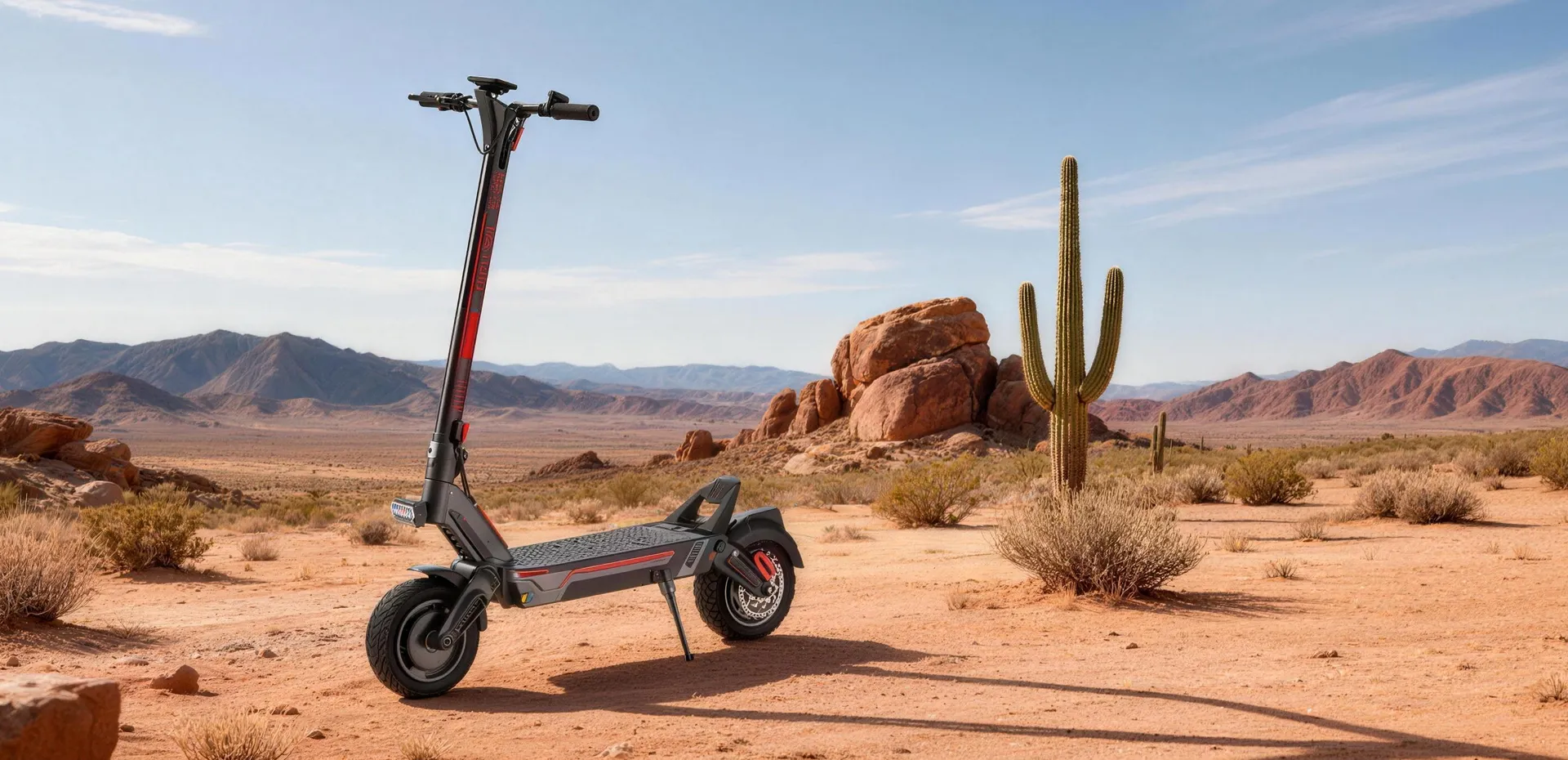
Electric Scooter New Year Resolution Green Commuting Guide
Turn your 2026 new year resolution into reality with green commuting on an electric scooter. Learn practical tips, cost savings, and eco-friendly benefits that make every ride count.

Table of Contents
- Why an Electric Scooter New Year Resolution for Green Commuting Is the Smartest Move in 2026
- The Environmental Impact: How One Scooter Makes a Difference
- Your Carbon Footprint Shrinks Instantly
- Less Traffic, Cleaner Air
- Battery Recycling and Sustainable Manufacturing
- Financial Benefits: Save Thousands While Going Green
- The Math Is Simple
- Incentives and Tax Credits in 2026
- Health and Lifestyle Perks You Didn’t Expect
- Active Commuting Without Sweating
- Mental Health Boost
- Practical Tips to Make Your Resolution Stick
- Choose the Right Scooter for Your Commute
- Plan Your Route
- Build a Routine
- Safety First
- Real Stories: People Who Made the Switch
- Sarah from Austin, TX
- Mike from Portland, OR
- Overcoming Common Objections
- “I Live in a Hilly Area”
- “What About Bad Weather?”
- “I Don’t Have a Place to Store It”
- Conclusion: Your 2026 Starts Here
- Frequently Asked Questions
- How much money can I save by switching to an electric scooter for commuting?
- Is an electric scooter safe for daily commuting in busy cities?
- Do I need a license or insurance to ride an electric scooter?
- How long does it take to charge an electric scooter?
- Can I ride an electric scooter in the rain?
Why an Electric Scooter New Year Resolution for Green Commuting Is the Smartest Move in 2026
Every January, millions of us make promises to get healthier, save money, and reduce our environmental footprint. But by February, most resolutions fade away. In 2026, the most achievable, impactful, and fun resolution you can make is switching to green commuting with an electric scooter. Unlike vague goals like “exercise more” or “spend less,” an electric scooter new year resolution for green commuting delivers measurable results from day one — fewer CO2 emissions, lower transport costs, and a genuinely enjoyable daily routine.
According to the latest 2026 urban mobility reports, personal electric vehicles now account for over 12% of all commutes in major U.S. cities, up from 7% in 2024. This surge is driven by rising gas prices, increased awareness of climate change, and the sheer convenience of zipping past traffic. If you’re looking for a resolution that sticks, choosing an electric scooter for your daily commute is a game-changer.
The Environmental Impact: How One Scooter Makes a Difference
Your Carbon Footprint Shrinks Instantly
A typical car emits about 4.6 metric tons of CO2 per year. Even a hybrid car produces around 2.5 tons. In contrast, an electric scooter charged from a standard outlet generates roughly 0.1 tons of CO2 annually (based on the U.S. average grid mix). That’s a 97% reduction in emissions compared to a gas car. By making an electric scooter new year resolution for green commuting, you’re personally preventing over 4,000 pounds of CO2 from entering the atmosphere each year.
Less Traffic, Cleaner Air
In 2026, urban air quality continues to be a pressing issue. The American Lung Association reports that nearly 40% of Americans live in areas with unhealthy ozone or particle pollution. Every car replaced by an electric scooter means fewer tailpipe emissions, less noise pollution, and less congestion. Imagine if just 10% of commuters in your city switched to e-scooters — the collective reduction in NOx and particulate matter would be enormous.
Battery Recycling and Sustainable Manufacturing
Modern electric scooters, especially those from reputable brands like Zwheel, use lithium-ion batteries that are increasingly recyclable. Many manufacturers now offer battery take-back programs. Plus, the energy used to produce a scooter is a fraction of that needed for a car. According to a 2025 lifecycle analysis by the International Transport Forum, an e-scooter’s total carbon footprint (manufacturing, use, and disposal) is 80% lower than a gasoline car over 10,000 miles.
Financial Benefits: Save Thousands While Going Green
The Math Is Simple
Let’s break down the numbers for a typical 10-mile round-trip commute in 2026:
- Car (25 mpg, $4.50/gallon): $1.80 per day in fuel alone, plus $0.50 in maintenance = $2.30/day, or about $598/year.
- Electric scooter (0.15 kWh per mile, $0.14/kWh): $0.21 per day in electricity, plus $0.05 in maintenance (tire wear, brake pads) = $0.26/day, or about $68/year.
That’s a savings of over $500 annually just on a short commute. Add in parking fees (often $100+/month in cities), insurance (e-scooters typically don’t require it), and depreciation, and you’re looking at saving $2,000–$3,000 per year. Your electric scooter new year resolution for green commuting literally pays for itself in months.
Incentives and Tax Credits in 2026
Many states and cities now offer rebates for electric scooter purchases. For example, California’s Clean Vehicle Rebate Project provides up to $200 for e-scooters, while New York City offers a $150 voucher for low-income commuters. Federal tax credits for e-bikes and scooters are also being discussed in the 2026 budget. Always check local incentives — they can make a Zwheel ZSA Plus (only $499 after rebate) an absolute steal.
Health and Lifestyle Perks You Didn’t Expect
Active Commuting Without Sweating
One of the biggest barriers to cycling is arriving at work drenched in sweat. An electric scooter gives you a gentle core workout — you stand, balance, and engage your legs — but you can modulate the speed so you arrive fresh. Over a year, that 20 minutes of standing and micro-balancing burns about 100 calories per day, adding up to 25,000 calories burned without a gym membership. Combine this with walking a few blocks at the end of your ride, and you’ve got a low-impact exercise routine built into your day.
Mental Health Boost
Commuting by car is stressful. Studies show that each additional 10 minutes of driving increases cortisol levels. In contrast, an e-scooter commute exposes you to fresh air, sunlight, and the simple joy of movement. A 2025 survey by the Journal of Transport & Health found that 78% of e-scooter commuters reported improved mood and reduced anxiety compared to driving. Your electric scooter new year resolution for green commuting is a prescription for better mental health.
Practical Tips to Make Your Resolution Stick
Choose the Right Scooter for Your Commute
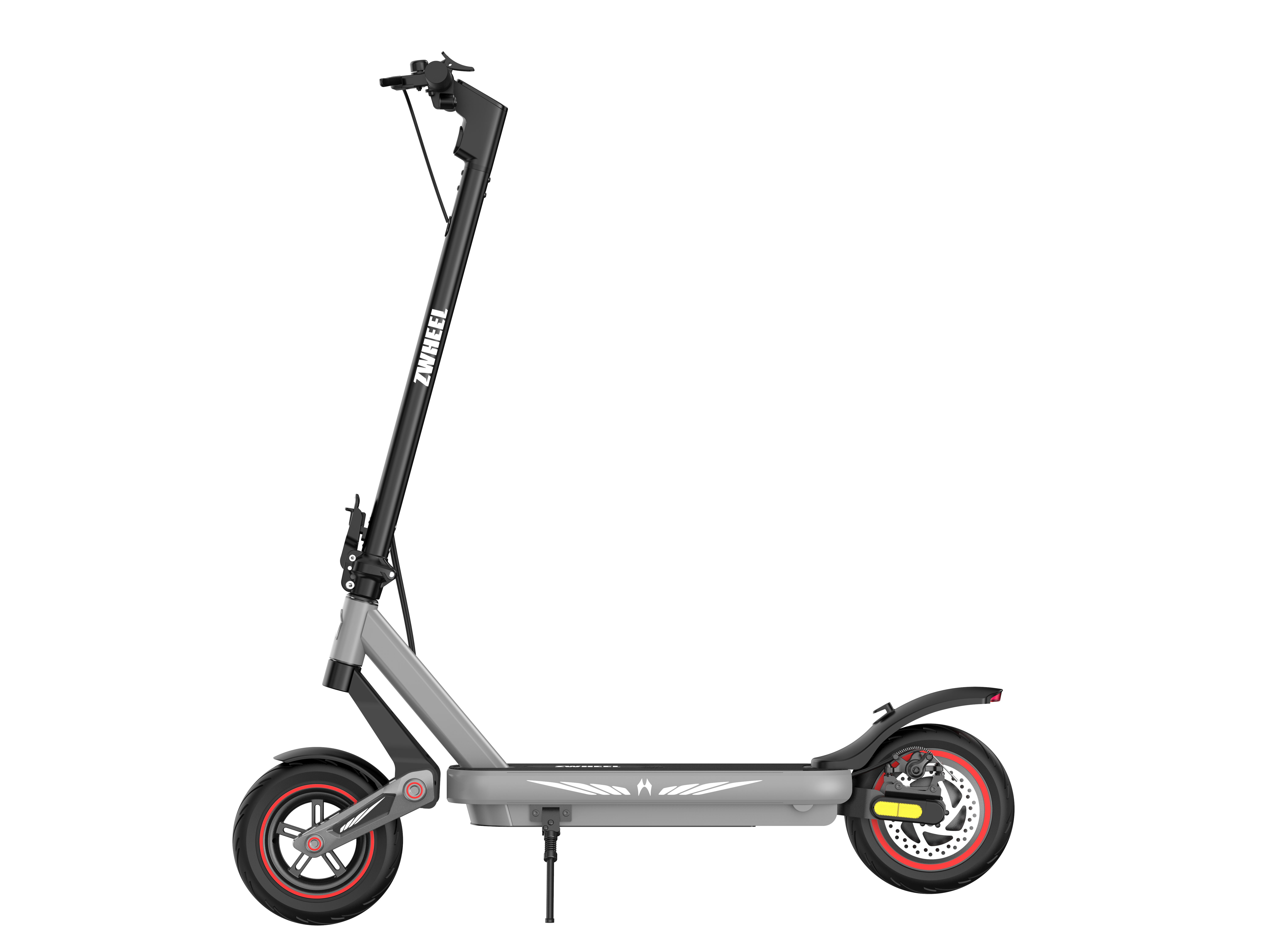
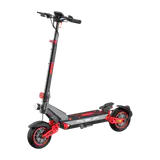
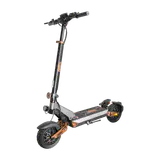
Not all electric scooters are created equal. For a smooth, reliable city commute, the Zwheel D3S-S (1000W, $600) offers a perfect balance of range (up to 25 miles) and portability (only 32 lbs). If you encounter hills or mixed terrain, consider the Zwheel ZSB1 (1200W, $599) for extra torque. For longer commutes over 15 miles, the Zwheel ZSB2 (1500W, $650) provides greater range and stability.
Plan Your Route
Use apps like Google Maps or Citymapper with the “bicycle” filter to find scooter-friendly paths. Avoid highways and streets with speed limits above 35 mph. In 2026, many cities have designated e-scooter lanes — look for green markings on the road. Plan a test ride on a weekend to build confidence before your first work commute.
Build a Routine
Start with two days a week for the first month. Charge your scooter overnight (it takes 4-5 hours for a full charge). Keep a small emergency kit: a tire pump, a multi-tool, and a rain poncho. Most importantly, give yourself permission to take the bus or drive on rainy days. The goal is consistency, not perfection.
Safety First
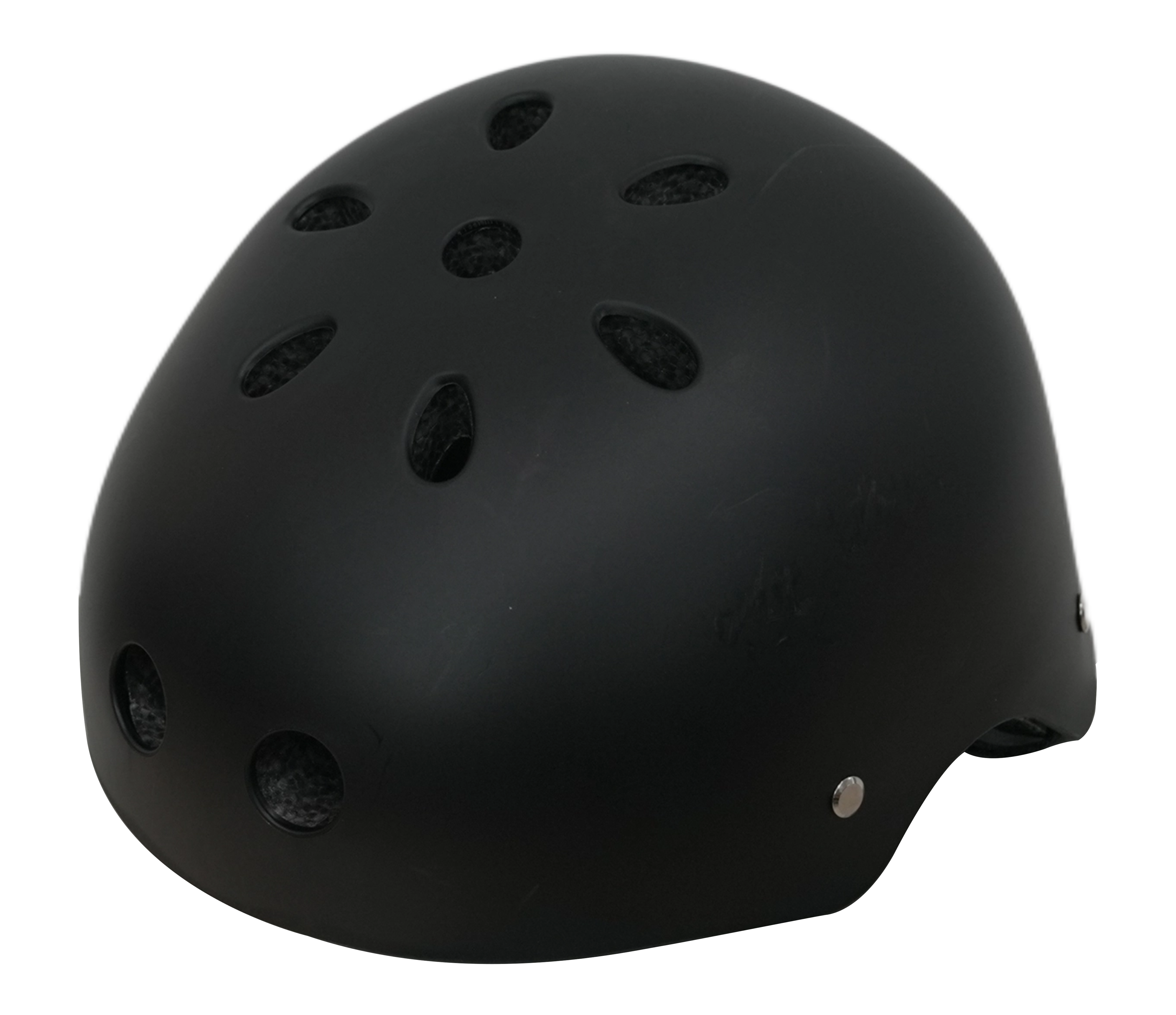
Always wear a helmet — it’s the single most important safety measure. Use lights (many ZWheel scooters come with integrated headlights and taillights). Follow local laws: in 2026, most states require riders to be at least 16 and may require a driver’s license. Signal turns with your arm, and make eye contact with drivers at intersections.
Real Stories: People Who Made the Switch
Sarah from Austin, TX
“I was spending $250 a month on gas and parking for my 8-mile commute. I bought a Zwheel ZSA Plus in January 2026 as a new year resolution. Now I save $200 a month, I get 30 minutes of fresh air twice a day, and I feel like I’m actually doing something about climate change. My only regret is not doing it sooner.”
Mike from Portland, OR
“I’m a software engineer and used to drive 45 minutes each way. Now I scooter 20 minutes to the light rail, then ride the train. My total commute is shorter, I save $150/month on gas, and I’ve lost 8 pounds without trying. The electric scooter new year resolution for green commuting was the best decision I’ve made.”
Overcoming Common Objections
“I Live in a Hilly Area”
Modern scooters like the Zwheel ZSD1 (2000W, $800) can handle 30-degree inclines with ease. Look for scooters with at least 800W motor power and disc brakes for safe downhill control.
“What About Bad Weather?”
Invest in a waterproof scooter (most Zwheel models have IP54 rating) and fenders to keep dry. On heavy rain days, use public transit. The key is to not let perfect be the enemy of good — even commuting 3 days a week by scooter cuts your emissions by 60%.
“I Don’t Have a Place to Store It”
Foldable scooters like the D3S-S can be stored under a desk or in a coat closet. Many offices now have bike rooms that welcome e-scooters. If you live in an apartment, a wall-mounted hook keeps it out of the way.
Conclusion: Your 2026 Starts Here
An electric scooter new year resolution for green commuting is not just a trend — it’s a practical, financially smart, and environmentally powerful choice. In 2026, with more bike lanes, better scooter technology, and growing climate urgency, there has never been a better time to make the switch. Start small, stay consistent, and watch how one simple change transforms your daily life, your wallet, and the planet.
Ready to begin? Browse the full lineup of Zwheel electric scooters and find the perfect match for your commute. Your future self — and the Earth — will thank you.
Frequently Asked Questions
How much money can I save by switching to an electric scooter for commuting?
Depending on your commute distance and local gas prices, you can save between $500 and $3,000 per year on fuel, parking, and maintenance. A 10-mile round trip in 2026 costs about $0.26/day on electricity vs. $2.30/day for a car.
Is an electric scooter safe for daily commuting in busy cities?
Yes, especially when you follow safety basics: wear a helmet, use lights, obey traffic laws, and stay in bike lanes. Many cities now have dedicated e-scooter infrastructure. Choosing a scooter with reliable brakes and solid tires also reduces risk.
Do I need a license or insurance to ride an electric scooter?
In most U.S. states, you need a valid driver’s license to ride an e-scooter on public roads. Insurance is not typically required, but some homeowners or renters policies cover theft. Always check your local regulations.
How long does it take to charge an electric scooter?
Most electric scooters take 4 to 6 hours for a full charge from empty. Overnight charging is convenient and uses very little electricity — about $0.10–$0.30 per full charge, depending on your local rates.
Can I ride an electric scooter in the rain?
Many models, including those from Zwheel, have water resistance ratings (IP54 or higher) that handle light rain and puddles. Avoid riding in heavy downpours or through deep water. After a wet ride, dry the scooter thoroughly to prevent corrosion.
Written by
Zwheel Team
Part of the Zwheel editorial team, covering e-mobility trends, product guides, and rider tips.