Fast Charging Electric Scooter: Does It Damage Battery?
Fast charging convenience vs. battery health: we explain how fast charging works, its impact on lithium-ion cells, and practical tips to extend your e-scooter battery life without sacrificing speed.
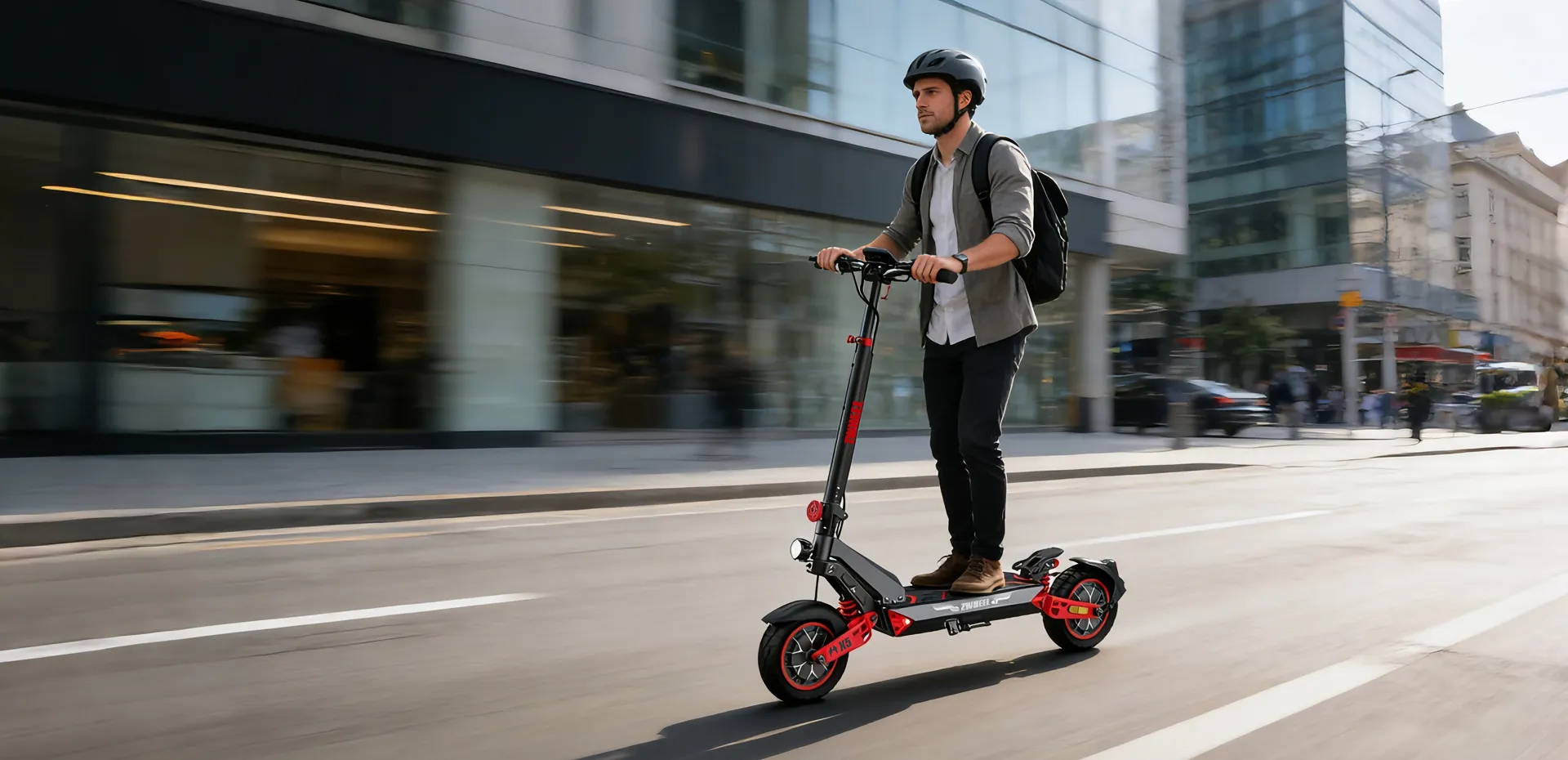
Table of Contents
- Introduction: The Fast Charging Dilemma
- How Fast Charging Works in Electric Scooters
- What Happens Inside the Battery During Fast Charging?
- Does Fast Charging Damage Your Battery? The Short Answer
- When Is Fast Charging Safe?
- Practical Tips to Protect Your Battery While Fast Charging
- Real-World Numbers: How Much Life Are You Losing?
- Fast Charging vs. Standard Charging: Which Should You Use?
- Conclusion: Fast Charging Electric Scooter Does It Damage Battery?
- Frequently Asked Questions
- Can I use a fast charger on any electric scooter?
- How hot is too hot for charging?
- Does fast charging void my warranty?
- How many cycles does a fast-charged battery last?
- Is it okay to charge my scooter overnight?
Introduction: The Fast Charging Dilemma
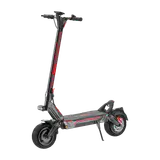
If you own an electric scooter—especially a performance model like the Zwheel ZSE2 with its 6000W motor—you’ve probably wondered: does fast charging damage my battery? It’s a valid concern. In 2026, most modern e-scooters support rapid charging, but the trade-off between convenience and battery longevity is real. Let’s cut through the myths and give you the facts.
How Fast Charging Works in Electric Scooters
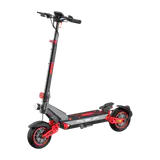
Fast charging means delivering higher current to the battery pack than standard charging. A typical 2A charger might take 6–8 hours for a full charge, while a fast charger (5A–10A) can cut that to 1–3 hours. The key is that lithium-ion batteries—used in all Zwheel models like the Zwheel ZSA Plus—have a maximum charge rate measured in “C-rate.” For most e-scooter batteries, a C-rate of 0.5C to 1C is safe. Exceeding that generates excess heat and accelerates degradation.
What Happens Inside the Battery During Fast Charging?
Lithium ions move from the cathode to the anode. Fast charging forces more ions to move quickly, which can cause lithium plating on the anode—a permanent loss of capacity. Heat is the main enemy: every 10°C above 25°C can halve battery lifespan. Fast chargers often push temperatures higher, especially if the battery lacks active cooling.
Does Fast Charging Damage Your Battery? The Short Answer
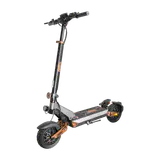
Yes, consistently fast charging can reduce battery lifespan by 10–30% compared to slow charging, depending on usage patterns. However, modern battery management systems (BMS) in quality scooters like the Zwheel D3S-S and D3D-S mitigate this by limiting current at high states of charge. The real risk comes from using third-party chargers or charging in extreme temperatures.
When Is Fast Charging Safe?
- Use the manufacturer’s charger: Zwheel’s chargers are calibrated for their battery packs. For example, the Zwheel ZSB1 comes with a 3A charger that’s safe for daily use.
- Avoid charging above 85%: Fast charging slows down after 80% to protect the battery. Unplugging early reduces stress.
- Charge in cool conditions: Below 40°C is ideal. Never charge a hot scooter right after a ride.
Practical Tips to Protect Your Battery While Fast Charging
Here are actionable steps to balance speed and longevity:
- Don’t fast charge every time: Reserve fast charging for when you’re in a rush. Use a standard charger overnight.
- Keep battery between 20% and 80%: This is the sweet spot for lithium-ion health. Full 100% charges stress the cells.
- Monitor temperature: If your scooter feels hot to the touch during charging, unplug and let it cool.
- Update firmware: Zwheel regularly releases BMS updates that optimize charging curves.
Real-World Numbers: How Much Life Are You Losing?
In a 2025 study by Battery University, a battery charged at 1C (fast) lost 15% capacity after 500 cycles, while a 0.5C (slow) charge lost only 8%. For a typical commuter riding 15 miles daily, that means replacing your battery after 2–3 years instead of 4–5. For off-road riders using the Zwheel ZSD1, the impact is similar—but the higher power draw already stresses cells more.
Fast Charging vs. Standard Charging: Which Should You Use?
For daily commuting, standard charging is best. For weekend adventures or when you forgot to charge overnight, fast charging is a lifesaver. The key is moderation. Zwheel’s BMS is smart enough to handle occasional fast charges, but relying on it daily will shorten battery life.
Conclusion: Fast Charging Electric Scooter Does It Damage Battery?
So, does fast charging damage your electric scooter battery? Yes, but the damage is manageable with smart habits. Use fast charging sparingly, keep your battery cool, and stick to the manufacturer’s charger. For Zwheel owners, this means enjoying the power of models like the ZSE2 without worrying about premature battery failure. Your battery will thank you—and so will your wallet.
Frequently Asked Questions
Can I use a fast charger on any electric scooter?
Not all scooters support fast charging. Check your manual or BMS specs. Zwheel models with higher wattage (like ZSD1, ZSD2, ZSE2) often support fast charging, while entry-level models may not.
How hot is too hot for charging?
If the battery surface exceeds 45°C, stop charging. Most BMS will cut off above 50°C, but you should avoid charging in direct sunlight or right after a ride.
Does fast charging void my warranty?
Using a non-approved charger can void warranty. Always use the charger that came with your scooter or a Zwheel-certified replacement.
How many cycles does a fast-charged battery last?
Expect 300–500 full cycles with frequent fast charging, versus 500–800 with standard charging. Partial charges count as fractions of a cycle.
Is it okay to charge my scooter overnight?
Yes, if you use a standard charger with automatic shutoff. Fast chargers aren’t designed for overnight use and may overcharge if left plugged in.
Written by
Zwheel Team
Part of the Zwheel editorial team, covering e-mobility trends, product guides, and rider tips.