Electric Scooter Motor Watts Explained: Real vs Peak Power
Motor watts can be misleading. We break down real vs peak power, why it matters for hills and speed, and how to choose the right electric scooter for your needs.

Sumario
- Electric Scooter Motor Watts Explained: Real vs Peak Power
- What Do Motor Watts Actually Mean?
- Real Power (Continuous/Rated Power)
- Peak Power
- Why the Difference Matters
- How to Interpret Motor Wattage When Buying
- Real vs Peak Power: A Practical Example
- How Motor Power Affects Speed and Acceleration
- Tips for Evaluating Motor Power
- Conclusion
- Frequently Asked Questions
- What is the difference between real and peak power in electric scooters?
- Does higher wattage always mean faster speed?
- How much motor power do I need for hilly terrain?
- Why do some scooters advertise only peak power?
- Can I increase the power of my electric scooter?
Electric Scooter Motor Watts Explained: Real vs Peak Power
If you've been shopping for an electric scooter, you've likely seen motor power ratings plastered everywhere: 500W, 1000W, even 6000W. But what do these numbers actually mean? And why do some scooters with the same wattage perform so differently? The answer lies in understanding real vs peak power. In this guide, we'll break down electric scooter motor watts explained in plain English, so you can make an informed decision and avoid marketing traps.
What Do Motor Watts Actually Mean?
Watts (W) measure power—specifically, the rate at which electrical energy is converted into mechanical work. In an electric scooter, the motor's wattage indicates how much power it can deliver to the wheels. However, not all watts are created equal. There are two key ratings you need to know: real power (also called continuous or rated power) and peak power.
Real Power (Continuous/Rated Power)
Real power is the wattage the motor can sustain indefinitely without overheating or damaging components. It's the reliable, everyday power output you can count on for cruising, climbing moderate hills, and maintaining speed. Manufacturers often list this as "rated power" or "nominal power." For example, a scooter with a 500W rated motor can continuously output 500W all day long.
Peak Power
Peak power is the maximum wattage the motor can deliver for short bursts—usually a few seconds to a minute. This is what you feel during acceleration or when tackling a steep incline. Peak power is often two to three times the rated power. So, a scooter advertised as "1000W" might have a 500W rated motor and a 1000W peak. That's why two scooters with the same advertised wattage can feel completely different.
Why the Difference Matters
Understanding real vs peak power helps you evaluate performance accurately. A high peak power rating might sound impressive, but if the continuous power is low, the scooter may struggle on long hills or with heavier riders. Conversely, a scooter with a modest peak but high continuous rating can be a workhorse for daily commutes.
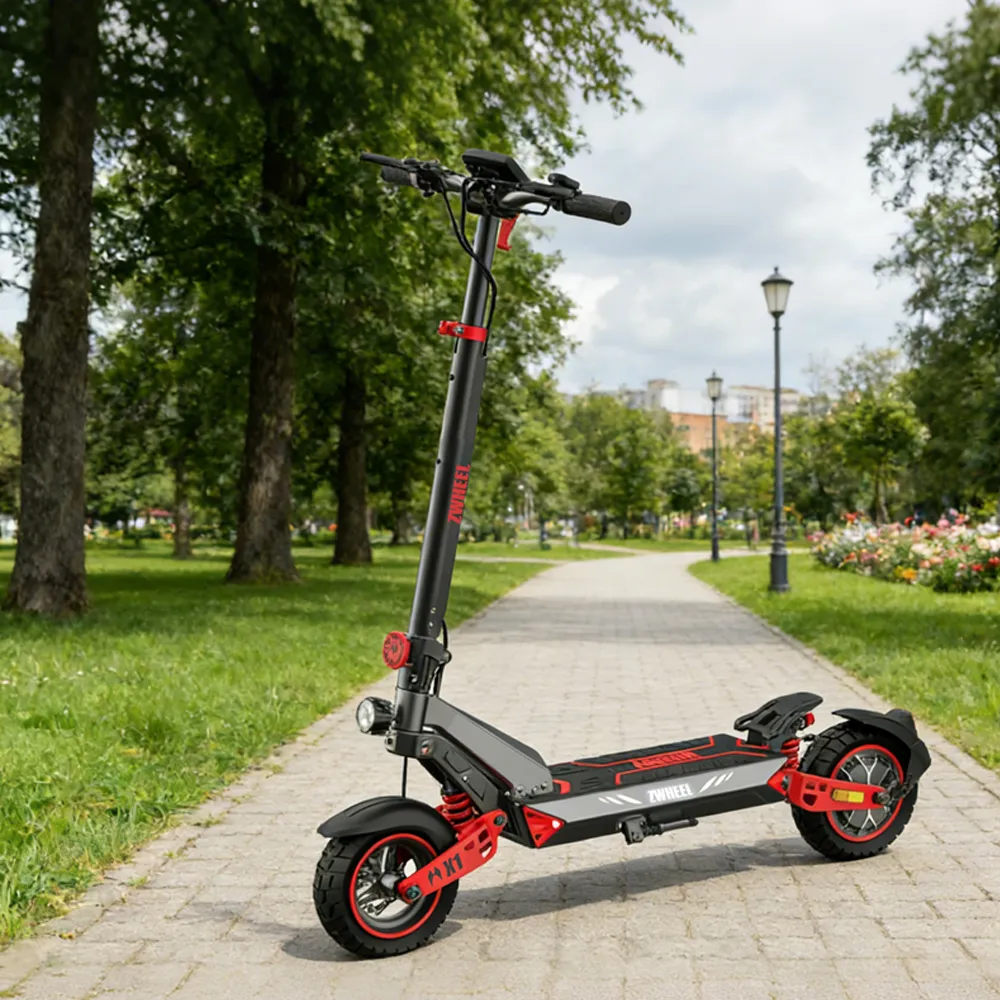
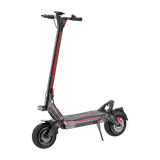
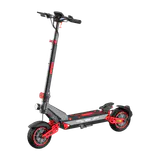
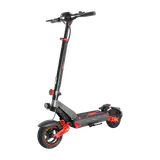
For instance, the Zwheel ZSA Plus has an 800W motor (likely peak) and is designed for city commuting. Its real power is probably around 400-500W, which is sufficient for flat urban routes. If you need more sustained power for off-road or steep hills, look for scooters with higher rated wattage, like the Zwheel ZSB2 with 1500W (peak) and all-terrain capability.
How to Interpret Motor Wattage When Buying
When comparing electric scooters, don't just look at the big bold number. Check the specs for both rated and peak power. If only one number is given, assume it's peak—especially in budget models. A reputable brand will disclose both. Also consider these factors:
- Rider weight and terrain: Heavier riders or hilly areas require higher continuous power. As a rule of thumb, add 200W of continuous power for every 50 lbs (23 kg) above 150 lbs (68 kg) if you face hills.
- Battery voltage and controller: A 48V system with a 20A controller can deliver about 960W peak. The motor's wattage rating should align with these components.
- Real-world range: Higher power motors drain batteries faster. A 1000W motor might reduce range by 20-30% compared to a 500W motor under similar conditions.
For a deeper dive into choosing the right scooter for your needs, see our D3S-S commuter model, which balances power and efficiency.
Real vs Peak Power: A Practical Example
Let's compare two hypothetical scooters:
- Scooter A: 1000W peak, 500W rated
- Scooter B: 800W peak, 800W rated
On paper, Scooter A looks more powerful, but Scooter B can sustain higher power for longer. On a long steep hill, Scooter B will likely outperform Scooter A because it won't overheat and throttle down. This is why rated power is crucial for endurance and reliability.
How Motor Power Affects Speed and Acceleration
Peak power primarily affects acceleration and short bursts of speed. Real power determines sustained top speed and hill-climbing ability. For example, a 500W rated motor might top out at 20 mph (32 km/h) on flat ground, while a 1000W rated motor could reach 30 mph (48 km/h). But remember, speed also depends on weight, aerodynamics, and tire size.
If you're a speed enthusiast, consider high-performance models like the Zwheel ZSE2 with 6000W peak power, designed for racing. But for most riders, a balanced approach is best.
Tips for Evaluating Motor Power
- Look for both ratings: If only peak is listed, ask the manufacturer for continuous power.
- Check reviews: Real-world user experiences often reveal true performance.
- Consider your weight and terrain: Be honest about your needs. If you're 200 lbs and face hills, aim for at least 750W continuous.
- Don't overlook battery and controller: A high-power motor needs a robust battery and controller to deliver its potential.
Conclusion
Understanding electric scooter motor watts explained—specifically real vs peak power—empowers you to choose a scooter that matches your riding style. Don't be swayed by inflated peak numbers; focus on continuous power for reliable performance. Whether you're commuting on a Zwheed ZSA Plus or tackling trails on a ZSB2, knowing the difference ensures you get the right machine for your adventures.
Frequently Asked Questions
What is the difference between real and peak power in electric scooters?
Real power (continuous) is the wattage a motor can sustain indefinitely, while peak power is the maximum output for short bursts. Peak is often 2-3 times higher than real power.
Does higher wattage always mean faster speed?
Not necessarily. Peak wattage affects acceleration, but sustained top speed depends on continuous power, weight, and aerodynamics. A high peak with low continuous may overheat and slow down.
How much motor power do I need for hilly terrain?
For moderate hills, aim for at least 500W continuous. For steep or long hills, 750W+ continuous is recommended. Consider rider weight: add ~200W continuous per 50 lbs above 150 lbs.
Why do some scooters advertise only peak power?
Peak power is a larger, more impressive number, so some manufacturers use it for marketing. It's a red flag if continuous power isn't disclosed—reputable brands list both.
Can I increase the power of my electric scooter?
Generally, no—motor power is fixed. However, you can optimize performance by maintaining proper tire pressure, reducing weight, and ensuring the battery is healthy. Upgrading the controller or battery may help but voids warranties and risks safety.
Escrito por
Zwheel Team
Parte da equipe editorial da Zwheel, cobrindo tendencias de mobilidade, guias de produtos e dicas.